How to structure gaming guides for quick answers, avoiding spoilers, and maximizing player value?
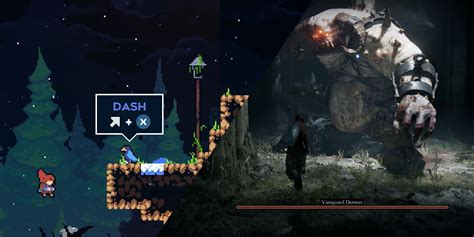
In the vast and ever-evolving landscape of video games, a well-crafted guide isn’t just a convenience; it’s an essential tool that can significantly enhance a player’s experience. However, creating such a guide requires a delicate balance: providing immediate, accurate solutions without ruining the narrative surprise, and offering value that extends beyond simple answers. This article explores best practices for structuring gaming guides that excel in delivering quick information, expertly avoiding spoilers, and ultimately maximizing player enjoyment and engagement.
Prioritizing Quick Answers: The Information Hierarchy
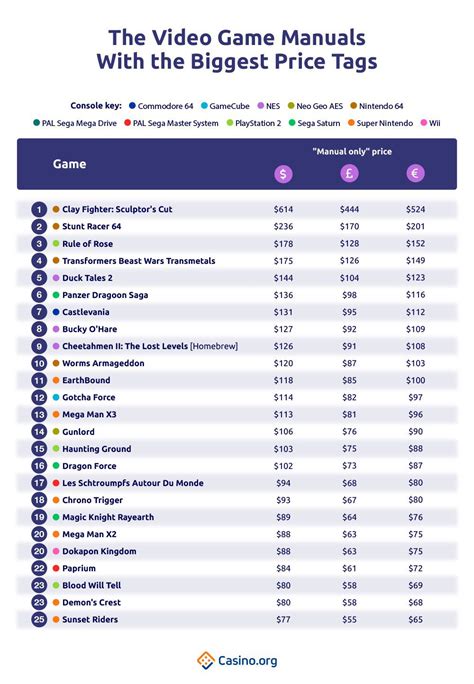
Modern gamers often seek rapid solutions to specific problems, whether it’s finding a hidden item, defeating a tricky boss, or solving a puzzle. Your guide should be designed to serve these immediate needs effectively. Start with the most crucial information upfront. Use clear, concise headings that act as signposts for readers. Bullet points, numbered lists, and well-organized tables are invaluable for presenting data like item locations, quest objectives, or enemy weaknesses at a glance. Think of it as an inverted pyramid structure, where the most vital details are at the top of each section.
Navigating the Spoiler Minefield Safely
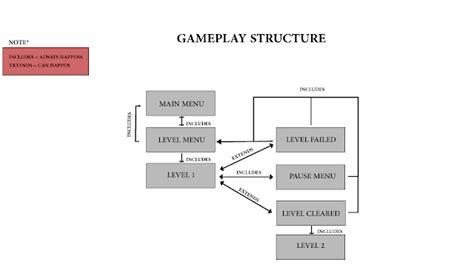
One of the biggest challenges in guide writing is providing assistance without inadvertently revealing critical plot points or surprise elements. A spoiler-free experience is paramount for many players. Implement clear spoiler warnings at the beginning of sections that delve into story-sensitive content. Consider using collapsible text blocks or dedicated spoiler tags for specific paragraphs or sentences. Another effective strategy is to separate story walkthroughs from side content or collectibles guides. This allows players to access help for optional challenges without risking exposure to the main narrative’s progression.
For story-heavy games, adopt a “need-to-know” approach. Only reveal plot details when absolutely necessary to explain a solution, and even then, frame it as generically as possible. Explicitly state when a guide section will contain spoilers, giving players the choice to proceed or turn back. This respect for the player’s discovery process builds trust and enhances their overall experience.

Maximizing Player Value Beyond Simple Solutions
A truly exceptional guide offers more than just step-by-step instructions; it provides deeper insights and enhances the player’s understanding and appreciation of the game. Go beyond telling players what to do and explain why it’s the optimal strategy, or how certain mechanics work. Offer alternative approaches, advanced tips, and strategic nuances that might not be immediately obvious. This could include build recommendations, lore explanations for specific items or characters, or efficient farming routes.
Consider adding sections for advanced players, New Game+ content, or even discussions on optimal strategies for speedrunning or achievement hunting. Engaging with the community through update logs, frequently asked questions, or inviting reader contributions can also significantly boost a guide’s long-term value and relevance, making it a living resource rather than a static document.
Structural Elements for Optimal Readability and Navigation
Even the most comprehensive guide can be ineffective if players can’t easily find what they’re looking for. Implementing strong structural elements is crucial. A well-placed, interactive Table of Contents (TOC) at the beginning of the guide, with anchor links to each section, is indispensable. This allows players to jump directly to the relevant part without endless scrolling. Ensure consistent formatting throughout, using clear typography, sufficient line spacing, and a logical flow of information.
Utilize subheadings extensively within your main sections to break down complex topics into digestible chunks. Visual aids, such as embedded maps (if possible through future image integration), diagrams, or screenshots (as indicated by the image anchors), can often convey information more effectively than text alone. A robust internal linking strategy, connecting related sections or external resources, also helps players navigate complex information efficiently and deepens their understanding.

Conclusion: Crafting the Ultimate Player Companion
Structuring gaming guides for quick answers, spoiler avoidance, and maximum player value is an art form. By prioritizing information accessibility, diligently safeguarding narrative surprises, and enriching content with deeper insights, guide creators can build resources that are not only useful but truly valued by the gaming community. A thoughtfully designed guide becomes more than just a walkthrough; it transforms into an indispensable companion that enhances every player’s journey through their favorite virtual worlds.