




How to structure gaming guides for quick, spoiler-free access to specific collectibles or quests?
Creating comprehensive gaming guides while ensuring quick, spoiler-free access to specific information can be a delicate balancing act. Players often seek assistance for a particular collectible they missed or a perplexing quest step, not a full narrative rundown. The key lies in strategic organization and thoughtful presentation, prioritizing the user’s immediate need over a linear walkthrough experience.
Modular Design for Specificity
The foundation of a good spoiler-free guide is modularity. Instead of long, flowing paragraphs, break down information into discrete, self-contained sections. Each collectible, side quest, or major objective should have its own dedicated segment. This allows players to jump directly to the relevant piece of information without having to scroll through unrelated content or potential plot points. Consider individual pages or clearly defined sections within a larger document, each titled explicitly (e.g., ‘All Luminous Flowers in the Whispering Woods,’ ‘Side Quest: The Missing Scroll’).
For collectibles, this means listing them individually, perhaps with unique IDs or names, and providing precise instructions for each. For quests, focus on step-by-step instructions for the specific objective, rather than the entire questline’s narrative. This approach minimizes the chance of accidental spoilers for subsequent parts of the game or other areas the player hasn’t reached yet.
Clear Navigation and Indexing
Excellent navigation is paramount for quick access. Implement a robust table of contents or an interactive index that allows users to filter or search for specific items. For larger guides, a collapsible menu or a fixed sidebar with anchors to different sections can greatly enhance usability. Each entry in the navigation should be descriptive enough to convey its content without giving away story details. Think ‘Collectible: Ancient Relic #7’ instead of ‘The Relic from the Dark Crypt’ if the latter hints at a plot twist.
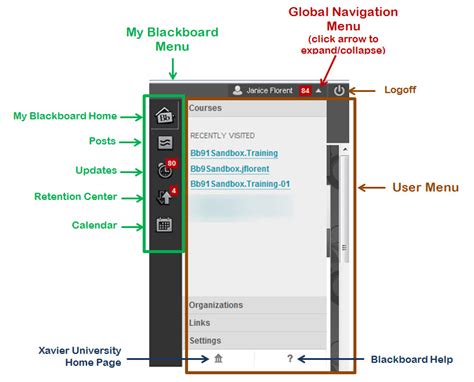
Utilize search functionality if hosting the guide online, allowing players to type in a collectible’s name, a quest title, or even a specific item they’re looking for. Ensure that the search results link directly to the relevant, contained section, not just the start of a broad chapter.
Spoiler Tagging and Warnings
Even with modular design, some information might inherently contain spoilers. Implement clear and consistent spoiler tagging. This can involve using blur effects, hidden text that requires a click to reveal, or dedicated ‘spoiler boxes’ with prominent warnings. Crucially, allow players to choose whether to reveal this information. Always err on the side of caution when it comes to potential spoilers, especially for critical story beats or secret characters.

Before any section that might contain a spoiler, even a minor one, place a clear disclaimer. For example, ‘WARNING: This section contains minor spoilers related to the late-game environment.’ This empowers players to make an informed decision about proceeding.
Visual Cues and Checklists
Visual aids significantly enhance quick access and spoiler-free navigation. Incorporate maps with clearly marked collectible locations (using numbers or icons that correspond to entries in the guide), screenshots showing exact item placements, or short video clips for complex puzzles. These visuals allow players to quickly confirm if they’re in the right place or if they’ve found the correct item without needing to read extensive descriptions that might contain spoilers.

For collectibles, consider including an interactive checklist. Players can mark off items they’ve found, helping them track progress and easily identify what they’re still missing. This provides a clear, at-a-glance overview without revealing any narrative context for each item.
Phased Reveal and Progressive Unlock
Consider structuring your guide to progressively reveal content as players advance in the game. For instance, sections on late-game collectibles or quests might initially be hidden or marked as ‘LOCKED’ until the player theoretically reaches a certain point in the main story (which can be user-selected or indicated by chapter markers). This prevents players from accidentally seeing content for areas or storylines they haven’t unlocked yet.

You can also create ‘pre-game’ and ‘post-game’ sections. The pre-game section might cover general tips and early-game items, while the post-game section would contain all the missable items or completionist content, clearly separated from the main story path. This layered approach allows players to engage with the guide only for the information they require at their current stage of play.
By adopting a modular, well-indexed, and visually supported approach, coupled with careful spoiler management, you can create gaming guides that are invaluable resources for players seeking specific information, ensuring their journey through the game remains as surprise-filled and enjoyable as the developers intended.



