





How to structure lengthy game guides so players quickly find specific info?
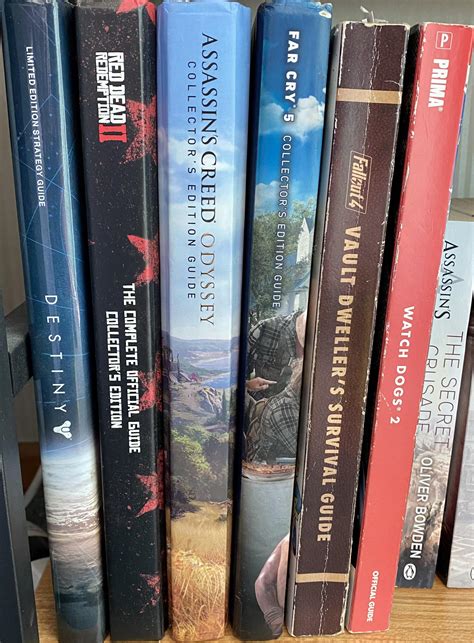
Long game guides, while invaluable, can quickly become daunting if not structured effectively. Players often arrive seeking a very specific piece of information – a quest objective, a boss strategy, an item location – and don’t want to wade through pages of text. The key is to design your guide with immediate accessibility and intuitive navigation in mind, transforming an overwhelming resource into a powerful tool for players.
Start with a Robust Table of Contents (TOC)
A comprehensive and clickable Table of Contents is non-negotiable for lengthy guides. It acts as the guide’s backbone, offering an at-a-glance overview of all major sections and allowing players to jump directly to their desired topic. Organize the TOC hierarchically, reflecting the game’s progression or logical categories (e.g., Main Quests, Side Quests, Characters, Items, Locations, Combat). Ensure each entry is a clear, concise label that accurately describes its content.

Employ Clear Headings and Subheadings
Within each section, use a consistent hierarchy of headings (<h2> for main sections, <h3> for major subsections, <h4> for further subdivisions). This not only breaks up large blocks of text but also provides visual cues about the guide’s structure. Each heading should be descriptive, allowing players to quickly scan and identify relevant paragraphs. For instance, instead of “Chapter 3,” use “Chapter 3: The Blighted Forest – Main Quest Walkthrough.”
Leverage Lists and Tables for Data
Information that is best presented in an organized, scannable format should utilize lists (ordered for steps, unordered for items) and tables. This includes:
- Quest objectives and steps
- Item lists (stats, locations, crafting recipes)
- Character stats and abilities
- Enemy weaknesses and resistances
- Boss attack patterns or phases
- Collectible locations
Tables are particularly powerful for comparative data, such as different armor sets or weapon upgrades, allowing players to quickly compare values at a glance.
Integrate Search Functionality and Consistent Keywords
For digital guides, a built-in search bar is incredibly beneficial. If your platform supports it, ensure content is optimized for search by using relevant keywords and consistent terminology throughout. Even without a dedicated search function, maintaining a glossary of terms or consistently naming items, characters, and locations will help players using browser-based search (Ctrl+F or Cmd+F) find what they need more effectively.
Utilize Visual Cues and Formatting
Beyond headings, strategic use of bold text, italics, and even color (sparingly and consistently) can draw attention to critical information. Key takeaways, warnings, or tips should stand out. Incorporate screenshots, maps, and diagrams where appropriate to illustrate points that are hard to describe in text, such as puzzle solutions, specific locations, or complex combat maneuvers. Even in a text-heavy guide, visual breaks are crucial.

Embrace Modular Sections and Cross-linking
Break down complex topics into smaller, self-contained modules. For example, instead of one massive “Items” section, have subsections for “Weapons,” “Armor,” “Consumables,” etc. Then, use internal links (hyperlinks within the guide) to connect related information. If a quest guide mentions a specific item, link directly to its entry in the “Items” section. This allows players to deep-dive into related topics without losing their place.
![15+ Games Using JavaScript [ Demo + Free Code]](/images/aHR0cHM6Ly90czMubW0uYmluZy5uZXQvdGg/aWQ9T0lQLlVtUUNDak9icXM1U1U2cUZzWEhCaEFIYUQ0JnBpZD0xNS4x.webp)
Prioritize a Player-Centric Design Philosophy
Always put yourself in the player’s shoes. What questions are they likely to have? At what point in the game will they need this information? Structure your guide to anticipate these needs. For instance, a quest walkthrough should list prerequisites, rewards, and potential difficulties upfront. Boss guides should clearly outline phases and specific strategies. The goal is to minimize friction and maximize the efficiency of information retrieval.
Conclusion
Crafting an effective, lengthy game guide goes beyond simply documenting every detail; it requires a thoughtful approach to information architecture. By implementing a robust Table of Contents, clear headings, efficient data presentation, visual aids, and a player-first mindset, you can transform a sprawling resource into an indispensable tool that helps players conquer any challenge the game throws their way with speed and confidence.




