How to update a game review for post-launch content effectively?
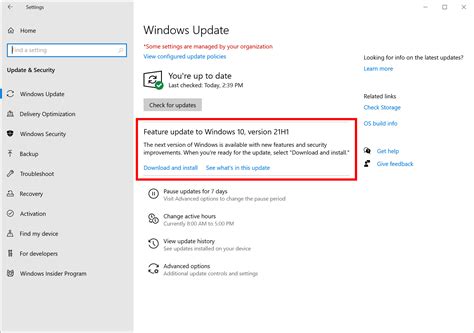
The Imperative of Updating Game Reviews in a Live-Service Era
In an age where games are living, evolving entities, a static review can quickly become irrelevant. Post-launch content, ranging from minor patches and balance changes to massive expansions and complete overhauls, can dramatically alter a game’s quality, experience, and value proposition. For professional reviewers, the challenge lies in effectively revisiting and updating initial assessments to reflect these significant changes, ensuring the review remains a useful and accurate guide for potential players.
When to Revisit Your Review
Deciding when to update a review is as critical as the update itself. Not every minor patch warrants a full revision. Generally, updates should be considered for:
- Major Content Expansions: New storylines, areas, characters, or game modes that fundamentally change the experience.
- Significant System Overhauls: Reworks of core mechanics, progression systems, or monetization strategies.
- Performance & Stability Fixes: When a game launches with major technical issues that are later resolved (or new ones introduced).
- Community Shifts: Drastic changes in the multiplayer meta, player base, or developer communication that impact the game’s long-term health.
The goal is to update when the game has evolved to a point where the original review no longer accurately represents the current player experience.
What to Focus on in Your Update
When revisiting a game, don’t just rehash the original points. Focus specifically on what has changed and its impact:
- New Content Analysis: Evaluate new quests, areas, characters, and mechanics on their own merits and how they integrate with the base game.
- Changes to Core Gameplay: Has combat been rebalanced? Are progression systems more rewarding or grindy?
- Technical Performance: Address whether frame rates, stability, and bug counts have improved or worsened.
- Monetization & Value: Assess new microtransactions, battle passes, or DLC pricing, and their impact on player value.
- Community & Developer Communication: Note any changes in how the developers engage with their player base.
Structuring Your Updated Review
Transparency is key. Readers need to quickly understand what has changed and why you’re revisiting the review.
Maintain the Original Context
It’s often best to keep the original review intact, perhaps with a clear header indicating its original publication date. The update can then be appended as a new section.
Clear Delimitation of New Content
Create a distinct section, perhaps titled “Post-Launch Update” or “Revisiting [Game Title] After X DLC,” to house your new observations. Use clear headings and bullet points to break down the changes.
Direct Comparison to Original Review
Where appropriate, directly reference points from your original review and explain how they have changed. For example, “While our initial review criticized the lack of endgame content, the ‘Shadows of Aethel’ expansion has completely addressed this…”
Revisiting the Score and Conclusion
This is often the most contentious part. Should you change the original score? Many publications opt to provide an updated score specific to the post-launch content, or a revised overall score that explicitly supersedes the original. Whichever path you choose, clearly explain your reasoning.
Your updated conclusion should summarize the game’s current state, weighing the impact of all post-launch content. Does it elevate the game to new heights, redeem a flawed launch, or perhaps even detract from an initially strong offering? Provide a clear recommendation based on the game as it stands now.
Transparency and Reader Trust
Always be upfront about the reasons for the update. Did a major patch fix game-breaking bugs? Did an expansion vastly improve the value proposition? Clearly state your methodology and what prompted the re-evaluation. This builds trust with your audience, demonstrating a commitment to accuracy and acknowledging the evolving nature of modern games.
By following these guidelines, reviewers can effectively navigate the complexities of post-launch content, providing valuable, up-to-date perspectives that serve their readership and reflect the current state of the games they cover.