Indie devs: How to craft a winning game pitch for maximum Indie Spotlight visibility?
The Power of a Polished Pitch in the Indie Landscape
In the bustling cosmos of independent game development, merely creating an exceptional game is only half the battle. To truly shine and capture the attention needed for success, particularly for coveted spots like the “Indie Spotlight,” you need a pitch that is as compelling and polished as your game itself. A winning game pitch isn’t just about showcasing your vision; it’s about effectively communicating its value, potential, and unique appeal to a diverse audience, from platform curators to potential players and media outlets.

For indie developers, resources are often limited, making every opportunity for visibility invaluable. A well-crafted pitch can open doors to features, funding, and a passionate player base, distinguishing your project from the thousands released annually. This guide will walk you through the essential elements of a powerful game pitch designed to maximize your visibility and secure that sought-after spotlight.
Deconstructing the Anatomy of a Compelling Pitch
A truly effective game pitch isn’t a single document; it’s a multi-faceted communication strategy. While the format might vary (a short elevator pitch, a detailed pitch deck, a public presentation), the core components remain consistent. Here’s what you absolutely must include:
1. The Hook: Your Elevator Pitch
Start with a punchy, one-to-two-sentence summary that grabs attention immediately. What is your game, what makes it unique, and why should anyone care? Think of it as a movie tagline for your game.
2. Game Concept & Core Loop
Elaborate on your game’s genre, key mechanics, unique selling points (USPs), and the core gameplay loop. What will players be doing most of the time? What makes it fun, innovative, or addictive? Use analogies to established games if they help clarify your vision, but always emphasize your unique twist.
3. Visuals That Speak Volumes
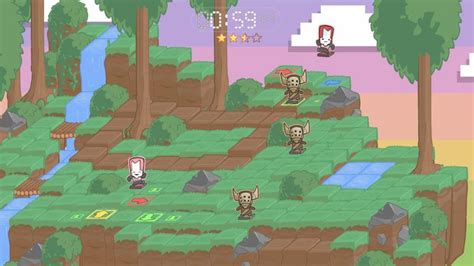
A picture is worth a thousand words, and in games, a video is worth a million. High-quality screenshots, concept art, and especially a captivating gameplay trailer are non-negotiable. Your visuals should instantly convey your game’s mood, art style, and core gameplay. This is often the first, and sometimes only, impression you’ll make.

4. Target Audience & Market Potential
Who is your game for? Understanding and articulating your target demographic demonstrates market awareness. How big is this market, and how does your game fit into it? Highlight any unique niches you’re addressing.
5. Team & Experience
Introduce the masterminds behind the magic. Briefly outline your team’s relevant experience, previous projects, and what makes your collective skills ideal for bringing this game to life. Passion and a clear understanding of your roles are key.
6. Milestones & Ask (If Applicable)
For pitches aimed at funding or partnerships, clearly define your development roadmap, key milestones, and what you’re seeking (funding amount, platform support, marketing assistance). For public visibility pitches, this might translate to your release window or key feature updates.
Tailoring Your Pitch for Indie Spotlight Success
While the core components remain, a pitch for maximum public visibility on platforms like “Indie Spotlight” has a slightly different emphasis than one for investors:
- Player-Centric Language: Focus on the player experience, emotional hooks, and what makes your game enjoyable.
- Visual Dominance: Prioritize incredible visual assets and a polished, exciting trailer above all else. This is what grabs initial attention.
- Accessibility of Information: Make your unique selling points immediately clear. People browsing showcases have short attention spans.
- Community Potential: Hint at post-launch support, community engagement plans, or what makes your game ripe for streaming and content creation.

The Art of Delivery: Clarity, Conciseness, and Confidence
Even the best content can fall flat without effective delivery. Keep your pitch:
- Clear and Concise: Remove jargon. Get straight to the point. Respect your audience’s time.
- Passionate: Your enthusiasm for your project should be palpable. It’s infectious.
- Confident: Believe in your game and your ability to deliver it. Practice makes perfect.
Always be prepared to answer questions and adapt your pitch slightly for different contexts. Feedback is your friend; use it to refine and strengthen your message.
Your Game Deserves to be Seen
Crafting a winning game pitch is an art form that merges storytelling with strategic communication. It’s about more than just selling a product; it’s about inviting others to share in your passion and vision. By focusing on a compelling hook, stunning visuals, clear concept, and tailored messaging, you significantly increase your chances of capturing the attention of platforms like “Indie Spotlight” and, most importantly, the hearts of players. Invest the time and effort into perfecting your pitch – it’s the gateway to your game’s deserved visibility.