Indie game devs: What key press kit info guarantees ‘Spotlight’ consideration for gaming news?
In the crowded, vibrant world of indie games, securing media attention is as crucial as developing a captivating title. For developers vying for that coveted ‘spotlight’ feature on a major gaming news site, a well-crafted press kit isn’t just an option—it’s your most powerful marketing tool. But what exactly do journalists and content creators look for? What information makes their job easier and significantly increases your chances of getting noticed?
Beyond the Code: Why Your Press Kit is Your Game’s Best Ambassador
Think of your press kit as your game’s resume and portfolio, all in one meticulously organized package. Gaming journalists are inundated with pitches daily. Their time is precious, and they need to quickly assess whether your game is newsworthy, unique, and has a compelling story. A comprehensive, easy-to-navigate press kit signals professionalism and respect for their time, making them more likely to delve deeper into your creation.
The Absolute Essentials: What Every Journalist Expects
1. The Compelling Hook: Game Synopsis & Key Features
Start strong with a one-paragraph elevator pitch for your game. What is it about? What genre? What makes it unique? Follow this with a bulleted list of 3-5 key features that highlight its most innovative or engaging aspects. Avoid jargon; write as if explaining your game to a curious friend. This is their first impression, so make it count!
2. Visual Gold: High-Resolution Assets
A picture is worth a thousand words, especially in gaming. Journalists need high-quality visuals for their articles. Include:
- Logos: Your game’s official logo, ideally in transparent PNG format, and your studio logo.
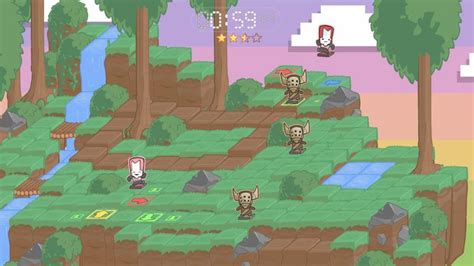
- Screenshots: A curated selection (10-15) of your best in-game screenshots at high resolution (1920×1080 or higher). Show variety: gameplay, stunning environments, character close-ups, UI.
- Trailer: A link to your latest gameplay trailer on YouTube or Vimeo. This is often the first thing a journalist watches.
- Key Art/Promotional Art: Any official artwork that captures the game’s essence.

3. The Story Behind the Studio: Developer Information
Who are you? What’s your story? Include a brief bio of your studio and key team members. Personal stories—like how you overcame challenges or what inspired the game—can add a human element that journalists love to feature. A link to your studio’s website and social media channels is also crucial.
4. Easy Access & Contact: Fact Sheet & Review Keys
- Fact Sheet: A single page detailing essential game information: developer, publisher (if any), release date (or window), platforms, price, ESRB/PEGI rating, target audience, and key contact person.
- Review Keys: Clearly state how journalists can request review codes. Provide a dedicated email address for this purpose. Make the process as straightforward as possible.
- Contact Information: A clear, direct email address for media inquiries.

5. The “Why Now?”: Latest Updates & Press Releases
Is your game launching soon? Did you win an award? Release a major update? Include links to recent press releases or significant news updates. This helps journalists understand the timeliness of your pitch and gives them a hook for their article. Keep this section updated!
The “Spotlight” Factor: What Makes a Kit Stand Out?
While the essentials get you in the door, a few extra touches can elevate your press kit from good to ‘spotlight-worthy’:
- Uniqueness & Narrative: Does your game have a compelling backstory or a unique development journey? Share it. Journalists are always looking for a fresh angle.
- Accessibility: Host your press kit on a dedicated, easily shareable webpage or a widely accessible cloud service (e.g., Google Drive, Dropbox) with a direct link. Avoid large email attachments.
- Brevity & Clarity: While comprehensive, ensure all information is concise and to the point. Journalists scan; make it easy for them to find what they need.
- Localization: If targeting international media, consider providing information in relevant languages.
- A Personal Touch: A brief, personalized message to the journalist explaining why you think your game would resonate with their audience goes a long way.
Conclusion: Your Gateway to Media Attention
An exemplary press kit isn’t just a collection of files; it’s a testament to your professionalism and belief in your game. By providing journalists with all the necessary, high-quality information in an easily digestible format, you not only increase your chances of securing coverage but also demonstrate that your indie title is ready for its moment in the spotlight. Invest the time to perfect it, and watch as your game gets the attention it truly deserves.