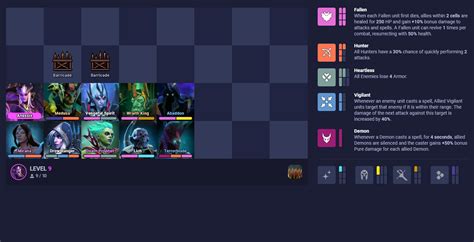
Post-patch build: How to quickly identify optimal gear changes & adjust your meta strategy?

Navigating the Shifting Sands: Why Post-Patch Adaptation is Key
Game patches are a double-edged sword: they inject fresh life and balance into titles, but they also shatter established build orders and meta strategies. For competitive players, the period immediately following a major patch is a race to identify and adapt to the new optimal pathways. Failing to do so can quickly relegate you from top-tier contender to struggling novice. This guide will walk you through a systematic approach to quickly decipher post-patch changes, identify new gear priorities, and fundamentally reshape your strategic approach.
Deciphering Patch Notes: The First Critical Step
Your journey begins with a meticulous review of the official patch notes. Don’t skim; deep dive into every detail. Look for direct numerical changes to abilities, items, or character statistics. Pay close attention to new additions, reworks, or removals of items, talents, or mechanics. Understanding the ‘what’ and ‘how much’ of these changes is paramount.
Identify which core systems or components of your previous build have been directly affected. Was a staple item nerfed into oblivion? Did a previously niche ability receive a significant buff that makes it viable, or even dominant? These direct changes are the foundational elements upon which the new meta will be built.

Rapid Gear Identification: Simulation, Data, and Early Adopters
Once you’ve absorbed the patch notes, it’s time to leverage tools and community intelligence. For many games, sophisticated simulators and damage calculators allow players to input new statistics and quickly test theoretical build changes without needing countless hours of in-game experimentation. Use these resources to iterate on different gear combinations and talent trees, identifying setups that yield the highest theoretical output for your desired playstyle or role.
Simultaneously, monitor professional players, top-ranked streamers, and theorycrafting communities. The most dedicated members often publish their early findings and optimal build paths within hours or days of a patch going live. While not always perfect, their initial insights can provide a strong starting point and highlight emergent strategies you might have overlooked. Critically analyze their findings, don’t just copy them, and consider how they apply to your own playstyle and skill level.

Adjusting Your Meta Strategy: Beyond Just Item Swaps
Optimal gear changes rarely exist in a vacuum; they fundamentally alter the game’s meta strategy. A buff to a healing item might shift focus to sustained team fights, while a strong offensive item could encourage aggressive, early-game pressure. Consider how the item and ability changes affect:
- Power Spikes: When are characters or teams strongest now? Does this encourage earlier or later engagements?
- Counter-Play: What new counters have emerged, or what old ones have been rendered obsolete?
- Objective Control: Does the new balance make certain objectives more or less valuable, or easier/harder to contest?
- Team Compositions: Are there new synergistic combinations of characters or roles that are now dominant?
Your strategic adjustments should reflect these shifts. Be prepared to change not just your itemization, but your entire approach to the game: your rotations, your engagement timing, your target prioritization, and even your role within the team.
The Iterative Process: Test, Learn, Refine
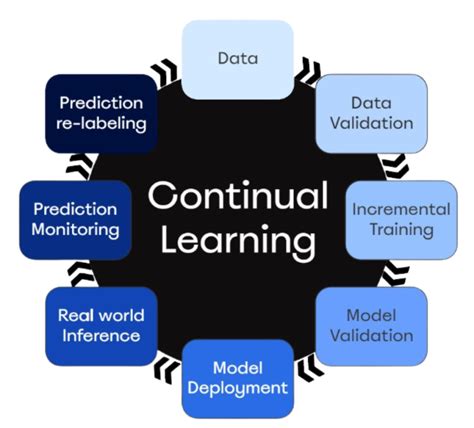
The post-patch period is an ongoing learning curve. No one gets it perfectly right on day one. Be prepared to test new builds and strategies extensively in actual gameplay. Pay close attention to what works and what doesn’t, adapting your choices based on real-world results rather than purely theoretical models. Record your games, analyze your performance, and don’t be afraid to scrap a seemingly ‘optimal’ build if it doesn’t translate into success for you.
Continuously monitor patch updates, community discussions, and high-level gameplay. The meta will continue to evolve as players discover new interactions and optimal paths. Your ability to quickly iterate, learn from experience, and stay agile in your decision-making will be your greatest asset in maintaining a competitive edge.
Staying Ahead of the Curve
Successfully navigating post-patch environments isn’t just about raw mechanical skill; it’s a test of your analytical ability, adaptability, and willingness to learn. By systematically dissecting patch notes, leveraging data-driven tools, staying attuned to community insights, and consistently refining your strategy through practice, you can quickly identify the optimal gear changes and adjust your meta strategy to stay at the forefront of the competition. Embrace the change, and let it fuel your mastery.