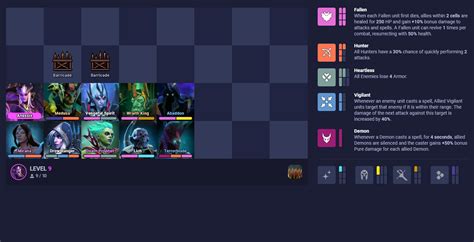
Post-patch, how do I find the *optimal* meta build without wasting resources?

The Ever-Shifting Sands of the Meta
Ah, patch day! A day of excitement, new content, and often, a seismic shift in what constitutes the ‘meta’ – the most effective tactics available. For many players, adapting to these changes means potentially overhauling their entire build, often at the cost of valuable in-game currency, rare materials, or irreversible skill point allocations. The challenge lies in identifying the truly *optimal* new build without falling victim to costly trial-and-error. Fear not, for a methodical approach can guide you through the chaos.

Understanding Meta Shifts: Why & How
Before diving into solutions, it’s crucial to grasp why the meta fluctuates. Game developers introduce patches to balance gameplay, introduce new content, or revitalize stale strategies. This often involves:
- Nerfs: Weakening dominant abilities, items, or classes.
- Buffs: Strengthening underperforming elements, potentially bringing new builds into viability.
- Reworks: Complete overhauls of mechanics, skills, or items.
- New Content: Introducing new gear sets, artifacts, or mechanics that can synergize unexpectedly with existing elements.
These changes ripple through the game, making once-powerful builds obsolete and elevating previously niche strategies to prominence. Your goal is to predict and confirm these shifts with minimal personal investment.
Phase 1: Information Gathering (Pre-Investment)
The first step in finding the new meta is to leverage the collective intelligence of the community and the data provided by the game itself. This phase is about research, not spending.
Patch Notes Deep Dive
Start with the source: the official patch notes. Read them meticulously, paying close attention to changes affecting your chosen class, weapon type, or preferred playstyle. Identify direct buffs/nerfs and potential indirect impacts from other changes.
Community & Theorycrafting
Before you commit, let others do some initial heavy lifting. Monitor:
- Official Forums & Discord Servers: Look for early discussions, theorycrafting threads, and players sharing initial impressions.
- Content Creators: YouTube channels and Twitch streamers often analyze patch notes and showcase early experiments.
- Dedicated Fan Sites/Wikis: Many games have community-driven sites that update quickly with build guides and analysis.
- Simulators & Calculators: If available for your game, these tools allow players to input theoretical changes and estimate performance without actual in-game testing.
Be critical of early conclusions; initial reactions can be skewed. Look for consensus emerging from multiple reliable sources.
Phase 2: Strategic Resource Allocation (Minimal Investment)
Once you have a strong theoretical understanding, it’s time for controlled, low-cost experimentation. The goal here is to test hypotheses without going ‘all-in’ on a potentially wrong build.
Prioritize Core Components
Instead of rebuilding everything, identify the 1-2 key items, skills, or stat allocations that are central to the hypothesized new meta build. Focus your initial resource investment there.
Incremental Testing
Make one change at a time. For instance, if a specific talent was buffed, respec that talent first and test its impact. Avoid making multiple large changes simultaneously, as this makes it hard to pinpoint what actually improved (or worsened) your performance.
Flexible Gear & Skill Trees
Can you adapt existing gear with minor modifications (e.g., changing enchantments, gems, or mod parts) rather than crafting entirely new pieces? Are there skill trees that allow for cheap respecs for certain branches, or temporary skill choices for testing purposes?
Borrowing or Temporary Gear
Some games allow you to borrow gear from friends, use test server environments (PTR/beta), or have temporary, low-cost versions of items (e.g., vendor gear, quest rewards) that mimic the stats of more expensive meta items. Leverage these to try out a build concept before committing valuable resources.
Phase 3: Validation & Refinement
The theories and minimal investments need to be validated in actual gameplay scenarios relevant to your goals (PvE, PvP, raiding, dungeons, etc.).
Real-World Testing
Take your incrementally modified build into relevant content. Don’t just rely on dummy parses; see how it performs under pressure. Does it feel good to play? Are the numbers actually higher, or does it just feel different?
Performance Tracking
Utilize in-game meters (damage, healing, threat), combat logs, or external analysis tools if your game supports them. Compare your performance before and after the changes. Objective data is paramount.
Adapt & Optimize
Based on your real-world testing, be prepared to iterate. The first iteration might not be perfect. You might find that a widely touted build doesn’t fit your playstyle, or that a slightly different variation works better for your specific gear. Fine-tune your choices, making further small adjustments as needed.

Conclusion: Patience and Process Over Haste
Finding the optimal meta build post-patch without wasting resources is an iterative process, not a race. By prioritizing information gathering, making strategic, low-cost investments for testing, and validating your findings with real-world performance data, you can confidently adapt to the ever-changing game environment. Remember, the true ‘optimal’ build also accounts for your personal playstyle and enjoyment, not just raw numbers. Embrace the learning process, and your resources will thank you.