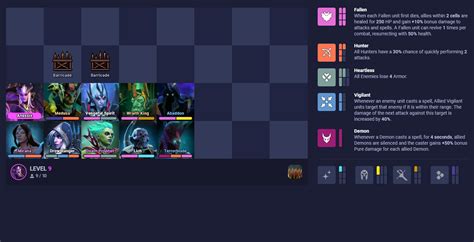
Post-patch, how do I quickly adjust my build & strategy to stay competitive in the meta?

Game patches are an inevitable part of competitive gaming, often shaking up the established meta and forcing players to re-evaluate their strategies. The ability to quickly adapt is crucial for maintaining your ranking and enjoying continued success. This guide will walk you through an efficient process to adjust your build and strategy post-patch.
Rapid Meta Analysis: Understanding the Shift
The first step in any post-patch adjustment is a thorough, yet swift, analysis of what has actually changed. Don’t just skim the patch notes; dive deep into the specific buffs, nerfs, and reworks that affect your preferred characters, items, and mechanics. Pay close attention to changes that impact core game systems like economy, experience, or map objectives, as these can have far-reaching consequences.
Beyond the official notes, observe how top-tier players and streamers are adapting. Their early experiments often highlight the new dominant strategies or overlooked powerful combinations. Community discussions on forums and social media can also provide quick insights into emerging trends, though always filter for credible information.

Build Adaptation: Smart Iteration, Not Overhaul
Once you have a grasp of the meta shifts, it’s time to adjust your build. Resist the urge to completely abandon your comfort picks or established builds unless they’ve been severely nerfed into irrelevance. Instead, focus on targeted modifications. If an item you frequently use was nerfed, explore alternative items that offer similar stats or effects. If a new item was introduced, consider its synergy with your existing kit.
For character-specific changes, prioritize skill point allocation or talent tree adjustments that leverage newly buffed abilities or mitigate the impact of nerfs. Sometimes, a simple rune or mastery change is all it takes to bring a build back into viability. Test these changes methodically; don’t swap out five items and three skills at once. Make one or two key changes, test, then iterate.

Strategic Refinements: Adjusting Your Playstyle
Builds are only one piece of the puzzle; your in-game strategy must also evolve. A shift in the meta might mean that an aggressive early-game strategy is no longer viable, or conversely, a previously passive playstyle needs to become more proactive. Consider how changes to map elements, objective timers, or character power spikes affect the flow of a match.
Your positioning, warding patterns, and objective prioritization might need to be re-evaluated. If certain champions are now much stronger, understand their new win conditions and how to play with or against them. This includes adapting your team compositions and even your individual decision-making during critical moments. A small change in game tempo can demand a significant shift in your strategic approach.

Practice and Iteration: The Testing Ground
Theory crafting is essential, but nothing replaces practical application. Take your adjusted builds and strategies into unranked or casual game modes first. This allows you to experiment without the pressure of losing rank. Pay close attention to what feels good, what feels weak, and what truly impacts your performance. Don’t be afraid to tweak things further based on your in-game experience.
Recording and reviewing your gameplay can provide invaluable insights. Look for moments where your new build felt clunky or your strategy fell apart. Identify patterns and areas for improvement. The meta is a living entity; your adjustments should be too. Be ready to iterate on your changes several times before settling on a new optimal approach.

Stay Informed and Proactive
The meta rarely settles completely after a single patch. Developers often issue hotfixes or follow-up mini-patches to address unforeseen imbalances. Therefore, maintaining a competitive edge requires continuous vigilance. Keep an eye on official announcements, competitive scenes, and community discussions. Being proactive means anticipating future changes and not just reacting to past ones.
Engage with your team or community to discuss findings. Collaborative learning can accelerate your adaptation process. Remember that the goal isn’t just to copy the “best” build, but to understand why it’s strong and how it fits into the broader game strategy, allowing you to tailor it to your own playstyle and strengths.

Conclusion
Quickly adapting to post-patch metas is a critical skill for any competitive gamer. By systematically analyzing changes, making targeted build adjustments, refining your in-game strategy, and rigorously testing your new approaches, you can not only stay competitive but potentially even gain an advantage as others struggle to catch up. Embrace the fluidity of the game, and let adaptability be your greatest weapon.