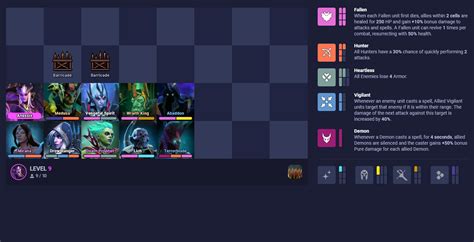
Post-patch: What build changes optimize my main for competitive meta viability?

The landscape of any competitive game is constantly shifting, and nothing catalyzes a seismic change quite like a major patch. For players dedicated to mastering their main character, understanding how to adapt their build to the post-patch competitive meta is paramount. This guide will walk you through the process of analyzing patch notes, identifying meta shifts, and strategically adjusting your main’s build to maintain—or even elevate—its viability.
Decoding the Patch Notes
The first and most critical step is a meticulous review of the official patch notes. Don’t just skim for your character’s name; look for broader changes. Did global systems change? Were specific items, runes, or masteries altered? Were other characters (both allies and enemies) significantly buffed or nerfed? A seemingly minor adjustment to a frequently used item or a rival character’s core ability can have ripple effects that dramatically alter your main’s effectiveness. Pay close attention to “under the hood” changes like damage calculation adjustments, cooldown reductions, or resource cost alterations, as these often influence builds more subtly but profoundly.
Identifying Meta Shifts
Once you’ve absorbed the raw data, it’s time to interpret the meta. This involves observing how top-tier players and professional teams are adapting. What characters are suddenly dominating the pick/ban phases? Are new strategies emerging that favor specific damage types, crowd control, or utility? Look for shifts in popular item builds, skill priorities, and even lane assignments or team compositions. Sometimes, your main might not have received direct changes, but if the core items it relies on were nerfed, or if its primary counters were buffed, its competitive standing will inevitably drop. Conversely, if a counter was nerfed, your main might secretly become stronger.
Analyzing Your Main: Pre- and Post-Patch
With a clear understanding of the patch and the emerging meta, re-evaluate your main. Compare its pre-patch build and playstyle against the new environment. Are its core strengths still as potent? Are its weaknesses now more exploitable? For instance, if the meta shifts towards high burst damage, your durable, sustained-damage main might need more defensive items or abilities that provide disengage. If the game speeds up, perhaps a build focused on early game dominance becomes more viable than a late-game scaling one. Consider how your character interacts with new items or system changes. Does a newly introduced item synergize perfectly with your main’s kit, opening up previously unavailable power spikes?
Strategic Build Adjustments
Skill & Talent Reallocation
Often, a patch will necessitate a reshuffling of skill points or talent choices. A talent that was once niche might become essential if a specific threat emerges, or if another talent’s effectiveness was reduced. Review all options in your character’s progression tree. Is there a different path that offers better utility, survivability, or burst damage for the current meta? Sometimes, even changing the order you max certain abilities can provide a significant advantage in early skirmishes or late-game team fights.
Gear & Itemization Reworks
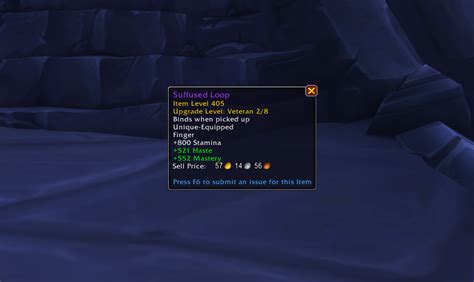
Item builds are frequently the most dynamic aspect of post-patch optimization. New items might be introduced, existing ones buffed or nerfed, or their interaction with certain stats changed. Re-evaluate your core item progression. Is your first item still the most efficient power spike? Are there alternative choices that provide more value against the prevalent threats? Don’t be afraid to experiment with off-meta items if they address a specific meta weakness or amplify a newfound strength. Consider defensive options if burst damage is high, or utility items if team play becomes more important.
Playstyle Evolution & Adaptation
A new build often implies a refined playstyle. If you’ve shifted from a high-damage to a more utility-focused build, your positioning, target priority, and engagement timings will need adjustment. Similarly, if your main now has greater burst potential, you might look for different pick opportunities. Your role within the team composition might even subtly change. Mastering a new build isn’t just about memorizing items; it’s about understanding how those items empower a different way of playing your character, and how that new playstyle contributes most effectively to your team’s victory conditions.

Testing, Refining, and Iterating
Theory is only half the battle. Once you’ve formulated a new build, take it into competitive matches. Pay close attention to its performance. Does it feel good? Are you achieving your goals? Analyze replays to identify areas for improvement. Perhaps a slight adjustment to a talent, a different starting item, or even a change in your early game strategy could unlock its full potential. The meta is a living entity, and continuous refinement based on real-world testing is key to staying ahead. Don’t be afraid to revert changes or try completely new approaches if your initial adjustments aren’t yielding the desired results.

Optimizing your main for post-patch competitive meta viability is an ongoing process of analysis, adaptation, and execution. By diligently decoding patch notes, understanding meta shifts, critically evaluating your character, and strategically adjusting your build and playstyle, you can ensure your main remains a formidable force on the competitive ladder. Stay curious, stay flexible, and keep dominating the ever-evolving game.