Practical steps for amateur players to get noticed by competitive Esports scouts?

The Dream: From Amateur to Esports Pro
For countless gamers, the dream of becoming a professional esports player is a powerful motivator. The allure of high-stakes competition, dedicated fan bases, and significant prize pools drives many to hone their skills relentlessly. However, the path from an amateur player in a solo queue or local league to being scouted by a competitive organization can seem opaque and challenging. While raw talent is crucial, it’s often not enough. Getting noticed requires a strategic approach, consistent effort, and an understanding of what scouts are truly looking for beyond just mechanical skill.
This guide will break down the practical steps amateur players can take to elevate their profile, catch the eye of talent scouts, and pave their way into the competitive esports scene. From rigorous self-improvement to strategic self-promotion, every action you take contributes to building your professional persona.
1. Master Your Game and Specialize
At the core of any professional esports career is exceptional gameplay. You must not only be good but consistently outstanding within your chosen game. This means deep-diving into mechanics, game sense, and meta-understanding. Identify your strengths and weaknesses through regular self-assessment and VOD (Video On Demand) reviews. Don’t just play; analyze every decision, every engage, and every loss.
Consider specializing in a role or a set of champions/heroes/agents. While versatility is valued, scouts often look for players who dominate a specific niche. Become recognized as the best Jett player, the most clutch support, or the most consistent shot-caller in your community. Dedicate thousands of hours to practice, not just playing ranked games, but also using training tools, custom lobbies, and drills to refine specific skills.

Keep up with patch notes, professional player streams, and strategy guides to always be ahead of the curve. The meta shifts constantly, and a pro player needs to adapt quickly and innovatively. Your goal isn’t just to win; it’s to understand why you won or lost, and to learn from every experience.
2. Build a Compelling Online Presence
In the digital age, visibility is key. Scouts aren’t just looking at leaderboards; they’re looking for personality, consistency, and a professional brand. Start by creating high-quality content that showcases your skills. This could include:
- Streaming: Regularly stream your gameplay on platforms like Twitch or YouTube. Maintain a consistent schedule, interact with your chat, and always strive for high-quality production. Even if you have a small audience, scouts might watch VODs to assess your decision-making and communication.
- Highlight Reels: Compile your best plays, clutches, and outplays into short, engaging highlight videos. These should be well-edited and demonstrate your peak performance. Upload them to YouTube and share them on social media.
- VOD Reviews: Record and narrate reviews of your own gameplay, analyzing your decisions. This demonstrates critical thinking and a commitment to improvement.
- Social Media: Use platforms like X (formerly Twitter) to connect with other players, share your content, and engage with the esports community. Maintain a professional demeanor and avoid drama.

A strong online presence not only makes you discoverable but also allows scouts to assess your temperament, communication skills, and how you handle pressure – all crucial non-gameplay factors for team environments.
3. Compete Actively and Consistently
Talent without a competitive record is just potential. You need to prove yourself in high-pressure environments. Actively seek out and participate in various competitive formats:
- Online Ladders & Tournaments: Join popular platforms like FaceIt, ESEA, GameBattles, or community-run tournaments for your game. Consistently perform well and climb the ranks.
- Amateur Leagues & Scrims: Form or join an amateur team. Playing in a team environment is crucial for developing communication, synergy, and shot-calling skills. Seek out scrims (practice matches) against other reputable amateur teams.
- Local LANs: If available, participate in local area network (LAN) tournaments. These offer invaluable experience in a live setting and can sometimes be attended by local scouts or team managers.

Winning is important, but consistent high-level performance and positive team contributions are what scouts truly seek. They want to see how you perform under pressure, how you adapt to different opponents, and how you contribute to team success, not just individual stats.
4. Network and Seek Mentorship
The esports world, like any professional industry, relies heavily on connections. Don’t be afraid to reach out and network:
- Connect with Peers: Build relationships with other high-ranking players. These connections can lead to team opportunities, scrim partners, and shared insights.
- Join Community Discords: Most esports titles have thriving Discord communities. Participate actively, offer help, and look for opportunities to join or form teams.
- Seek Feedback: If possible, reach out to coaches, established amateur players, or even former pros for VOD reviews or advice. Constructive criticism is invaluable for growth.
- Professional Etiquette: Always be respectful and professional in your interactions, both online and off. Your reputation precedes you.
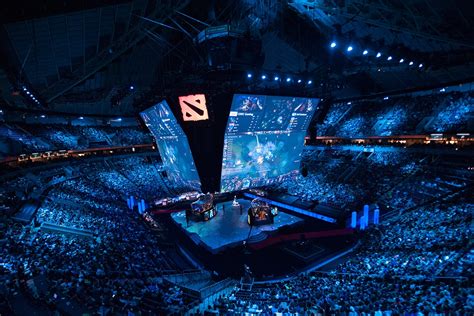
Sometimes, getting noticed is less about direct outreach to scouts and more about being recommended by someone they trust. A strong network can open doors you didn’t even know existed.
5. Embrace Professionalism and a Growth Mindset
Beyond in-game skill, scouts are looking for players who are coachable, reliable, and possess a strong work ethic. These are often the distinguishing factors between a talented amateur and a true professional prospect.
- Positive Attitude & Sportsmanship: Maintain a positive attitude, even in losses. Demonstrate good sportsmanship and avoid toxicity. Scouts monitor how players conduct themselves, as it reflects on the organization they might represent.
- Communication Skills: Practice clear, concise, and effective communication, both in-game and with teammates/coaches.
- Mental and Physical Health: Prioritize sleep, nutrition, and exercise. A healthy body and mind are essential for peak performance and sustained focus during long practice sessions and tournaments.
- Resilience: The path to pro is filled with setbacks. Learn from failures, maintain motivation, and bounce back stronger. Demonstrate a clear desire to constantly improve.

A player who consistently demonstrates these professional traits is far more attractive to a scout than someone with raw skill but a problematic attitude or poor work habits.
Conclusion: Your Journey to Professional Esports
Getting noticed by competitive esports scouts is a marathon, not a sprint. It requires an unwavering commitment to self-improvement, strategic self-promotion, relentless competition, and a professional mindset. There’s no single magic formula, but by consistently implementing these practical steps, you significantly increase your chances of standing out in a crowded talent pool.
Remember that talent scouts are looking for complete packages: skilled players who are also reliable, coachable, positive, and dedicated team members. Focus on developing all aspects of your game and your persona, and you’ll be well on your way to catching the eye of the organizations that can turn your amateur dream into a professional reality.