Should we update gaming reviews for major patches/DLC, and if so, how?
The Evolving Landscape of Game Reviews
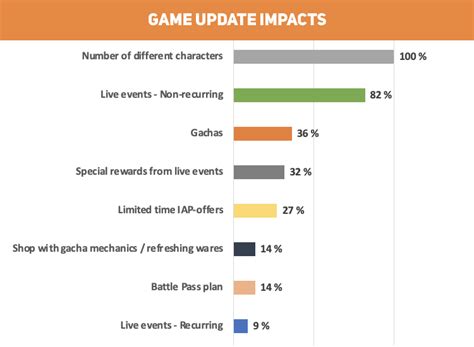
Gaming has undergone a significant transformation from discrete, finished products to dynamic, continuously evolving experiences. The rise of “games as a service,” extensive post-launch support, and substantial downloadable content (DLC) packages mean that a game reviewed at launch can be a vastly different beast six months or a year later. This evolution sparks a critical question for game journalism: Should initial reviews be updated to reflect these major changes, and if so, what’s the most effective and ethical way to do it?
Why Updates Are Becoming Essential
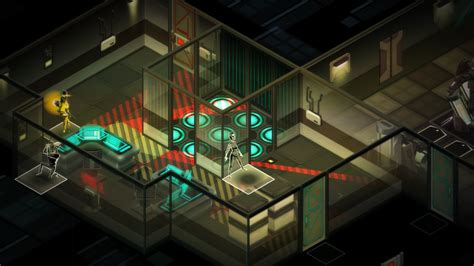
The primary argument for updating reviews is rooted in accuracy and consumer value. A game like No Man’s Sky, which launched to mixed reviews but dramatically improved over years of free updates, serves as a prime example. An initial review that remains untouched misinforms new players about the current state of the game. Similarly, major DLC can fundamentally alter a game’s balance, introduce critical new content, or even fix significant bugs that plagued the initial release.
Ignoring these updates renders early reviews increasingly irrelevant, especially for long-running titles. Players looking for current information on whether to invest in a game need to know if the experience they’ll encounter matches the original assessment or if it has been significantly enhanced or, conversely, degraded.

Challenges and Considerations
While the “why” seems compelling, the “how” presents numerous challenges. Review outlets operate with limited resources. Continuously re-evaluating every game that receives an update could become an insurmountable task, leading to “review bloat” and difficulty in prioritizing which updates warrant a new look. Furthermore, what constitutes a “major” patch or DLC? The line can be blurry, and inconsistent application could lead to accusations of favoritism or neglect.
There’s also the question of historical context. An initial review captures a moment in time. Completely overwriting it erases that history, making it difficult to understand a game’s journey. Maintaining transparency about what has changed and why an update was issued is paramount.
Proposed Solutions and Best Practices
Several approaches could address these complexities:
- Appendices or Update Sections: The most common method involves adding a clearly marked section to the original review. This section would detail significant changes, offer new impressions, and potentially adjust the score or recommendation while preserving the original text.
- Standalone DLC Reviews: For substantial expansions, a separate, dedicated review focusing solely on the DLC content is often appropriate. This allows for an in-depth look at new mechanics, story, and value, often referencing the base game’s quality.
- Versioning: Some outlets have experimented with “versioning” reviews, where a game’s review is explicitly tied to a specific patch number or version, and subsequent versions might get new, distinct reviews.
- “Live Service” Game-Specific Reviews: For games designed from the ground up to be live services, perhaps a different review paradigm is needed – one that acknowledges their ongoing nature and offers regular, perhaps quarterly, status updates rather than a single definitive launch review.
- Clear Disclosure: Regardless of the method, transparency is key. Readers should always know what they are reading (original review, updated review, DLC review) and when it was published or last updated.

The Future of Dynamic Game Evaluations
Ultimately, the goal of game reviews is to serve the consumer by providing accurate, timely, and valuable insights. As games continue to evolve post-launch, so too must the methods of reviewing them. Adapting review practices to accommodate major patches and DLC isn’t just about maintaining relevance; it’s about upholding journalistic integrity and ensuring that players can make informed decisions in an increasingly dynamic gaming landscape. The debate isn’t whether to update, but how to do so responsibly and effectively, balancing historical context with current reality.