Strategies to overcome tilt and maintain focus during high-stakes esports matches?
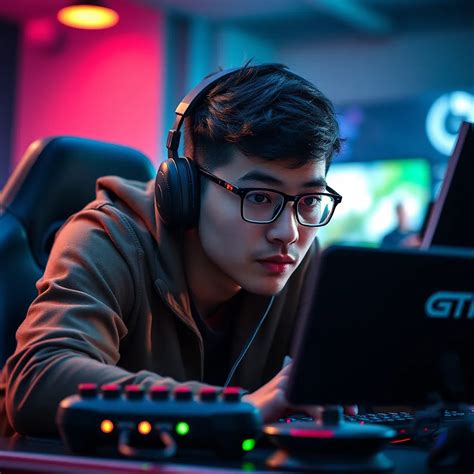
The Mental Game: Conquering Tilt and Sustaining Focus
In the electrifying arena of high-stakes esports, victory isn’t solely determined by lightning-fast reflexes or intricate strategic execution. Often, the deciding factor lies within the players’ minds: their ability to resist tilt and maintain unwavering focus under immense pressure. Tilt, a psychological state characterized by frustration, anger, or anxiety stemming from perceived mistakes or unfair circumstances, can quickly derail even the most talented teams. Conversely, maintaining razor-sharp focus ensures optimal decision-making and performance when it matters most.
Understanding Tilt and Its Impact
Tilt manifests in various ways, from aggressive over-extensions and impulsive decisions to passive play and indecisiveness. It’s often triggered by a cascade of negative events: a critical missed skill shot, an unexpected opponent play, or a string of unfortunate events. Recognizing the early signs of tilt in oneself and teammates is the first step toward combating it. Symptoms might include increased emotional outbursts, blaming others, tunnel vision, or a significant drop in communication quality.

Pre-Match Mental Preparation: Building a Resilient Mindset
The battle against tilt begins long before the match timer starts. Establishing robust mental resilience is crucial. This includes:
- Mindfulness and Visualization: Practicing deep breathing exercises and meditation can help cultivate a calm and present state. Visualizing successful plays, anticipating challenges, and mentally rehearsing positive responses to adverse situations can build confidence and reduce anxiety.
- Structured Warm-ups: Beyond mechanical warm-ups, integrate mental preparation. Reviewing strategies, discussing potential opponent tactics, and reaffirming team goals can align collective focus.
- Lifestyle Factors: Adequate sleep, proper nutrition, and regular physical activity are foundational for cognitive function and emotional regulation. A well-rested mind is far less susceptible to the emotional swings of tilt.
In-Game Strategies to Reset and Refocus
When the heat of battle triggers tilt, immediate and deliberate actions are necessary to regain composure:
- The “Reset Button”: Physically taking a deep breath, looking away from the screen for a second, or even having a pre-determined mantra (“next play,” “reset”) can help break the negative thought cycle.
- Communicate & Collaborate: Openly discussing frustrations with teammates (calmly) can diffuse tension and allow for collective problem-solving. Acknowledge mistakes, learn, and move on together. Avoid blaming.
- Focus on Controllables: Instead of dwelling on past errors or external factors, shift attention to what you can immediately influence: your positioning, your next ability usage, your communication.
- Mini-Breaks (if applicable): Some games allow brief pauses. Utilize these moments for a quick sip of water, a stretch, and a collective team reset discussion.

Maintaining Laser Focus Amidst Chaos
Beyond actively fighting tilt, consistent focus is paramount. This involves:
- Goal-Oriented Thinking: Break down the match into smaller, manageable objectives. Focus on securing the next objective, winning the next team fight, or successfully executing a specific play. This prevents feeling overwhelmed by the entire game state.
- Filtering Distractions: Both external (crowd noise, chat) and internal (self-doubt, past mistakes) distractions can erode focus. Develop techniques to compartmentalize or ignore them, perhaps through active listening to teammates or concentrating intensely on game sounds.
- Situational Awareness: Continuously process information from the minimap, scoreboards, and teammate pings. A holistic understanding of the game state allows for proactive decision-making rather than reactive panic.

Post-Match Analysis: Learning and Growing
The end of a match isn’t the end of the learning process. Post-match reflection is critical for long-term improvement:
- Objective VOD Review: Analyze gameplay footage dispassionately. Identify specific tilt triggers and moments where focus wavered. What could have been done differently?
- Identify Patterns: Do certain situations consistently lead to tilt? Are there particular opponents or game phases that challenge your focus? Understanding these patterns allows for targeted preparation.
- Refine Coping Mechanisms: Based on your review, adapt and improve your strategies for mental resilience. This iterative process strengthens your mental game over time.

Conclusion: The Unseen Edge
In high-stakes esports, mental fortitude is as crucial as mechanical prowess. By understanding the nature of tilt, preparing mentally before matches, employing in-game reset strategies, and diligently maintaining focus, players can unlock their full potential. The journey to mental mastery is continuous, requiring consistent practice and self-awareness, but it ultimately provides the unseen edge that separates good players from true champions.