



Strategy to boost detailed, actionable player reviews for new game guides?

The Critical Need for Quality Player Reviews
For new game guides to truly excel and provide maximum value, they must be informed by authentic, detailed, and actionable player experiences. Generic or vague reviews, while present, offer little insight. The challenge lies in cultivating an environment where players are not only willing to leave reviews but are also motivated to provide the kind of specific, helpful feedback that can shape superior guides. This involves understanding player psychology, streamlining processes, and demonstrating the impact of their contributions.
High-quality reviews serve multiple purposes: they highlight common pain points, identify successful strategies, and reveal nuanced aspects of gameplay that developers or initial testers might overlook. For guide creators, these detailed insights are gold, enabling them to craft content that directly addresses player needs and improves their gaming journey.
Why Detailed Reviews Drive Guide Excellence
Actionable player reviews are the bedrock of truly effective game guides. They transform theoretical advice into practical, battle-tested strategies. When a player describes a specific challenge with a boss, details a glitch, or shares an optimized build, this information allows guide creators to address these points directly, offering solutions, workarounds, or optimal paths. Without such detail, guides often remain generic, failing to resonate with the real struggles and triumphs of the player base.
Furthermore, detailed reviews build trust. When new players see guides incorporating feedback from others like them, it lends credibility and makes the guide feel more relevant and reliable. This positive feedback loop encourages more players to contribute, knowing their input makes a tangible difference.

Core Strategies to Encourage Quality Contributions
1. Gamify the Review Process
Integrate elements of game design into the review submission process. Award points, badges, or special recognition for detailed reviews, contributions that get ‘upvoted’ by other users, or those that directly lead to an update in a game guide. Leaderboards for top reviewers can also foster a sense of competition and achievement, motivating players to contribute more thoughtful content.
2. Provide Clear Guidelines and Examples
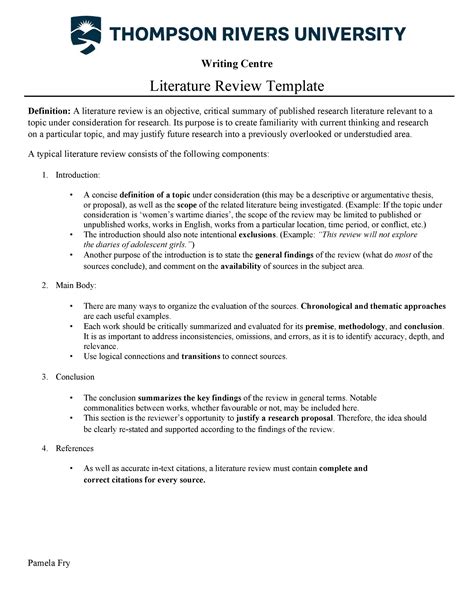
Often, players don’t know what constitutes a ‘good’ review. Offer clear, concise guidelines on what kind of information is most helpful: specific scenarios, character builds, boss strategies, item effectiveness, or common pitfalls. Provide excellent examples of detailed, actionable reviews that have already made a difference. A template or prompt system can also guide players towards providing structured feedback.
3. Offer Incentives and Recognition
Beyond gamification, consider more tangible incentives. This could range from in-game currency, exclusive cosmetic items, early access to future content, or even simple public recognition on the game’s official channels or within the guides themselves. Acknowledging a reviewer by name when their feedback is incorporated into a guide can be a powerful motivator.
4. Simplify the Submission Process
A cumbersome review submission process is a significant deterrent. Keep forms simple, intuitive, and mobile-friendly. Auto-save functionality can prevent lost work. Consider integrating review submission directly within the game client or through a readily accessible web portal. Reduce the number of required fields and make optional fields clearly marked.

5. Implement Structured Feedback Forms
Instead of a single open text box, use a form with specific sections. For instance: ‘What was your biggest challenge?’, ‘How did you overcome it?’, ‘What specific item/skill was most useful?’, ‘Any tips for new players?’. This structure prompts players to think about different aspects of their experience and provides discrete, actionable data points for guide creators.
Leveraging Actionable Feedback for Guides
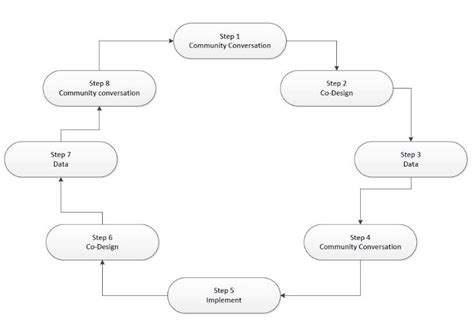
Once detailed reviews are collected, the next critical step is to actively use them. Guide creators should regularly sift through new submissions, identifying common themes, unique strategies, and confirmed bugs or exploits. Highlight sections of guides that have been directly informed by player feedback. This not only improves the guide but also demonstrates to the community that their contributions are valued and impactful, closing the feedback loop and encouraging further engagement.

Continuous Improvement and Community Engagement
Fostering a culture of valuable reviews is an ongoing process. Regularly communicate updates to guides that incorporate player feedback. Host Q&A sessions or forums where players can discuss specific game mechanics and guide content, further generating detailed insights. A dedicated community manager or guide editor can facilitate these discussions, ensuring that player voices are heard and translated into actionable improvements for new game guides. By consistently demonstrating the value of player input, you build a loyal community eager to contribute.
Conclusion
Boosting detailed, actionable player reviews for new game guides requires a multi-faceted approach. By gamifying the process, providing clear guidance, offering incentives, simplifying submission, and utilizing structured forms, platforms can significantly increase the quantity and quality of player contributions. Ultimately, demonstrating how this feedback directly enhances game guides closes the loop, building a vibrant, engaged community whose collective wisdom benefits all players.