To boost Indie Spotlight’s reach, what content formats engage gamers most?
Unlocking Gamer Engagement for Indie Spotlight
In the vast and ever-expanding universe of video games, indie titles often shine brightest with their innovation and unique artistic vision. However, visibility remains a perennial challenge. For initiatives like Indie Spotlight to truly boost the reach of these gems, it’s essential to understand and leverage the content formats that most effectively capture and sustain the attention of today’s diverse gaming audience. Engagement isn’t just about awareness; it’s about connection, immersion, and building a community around a game.
The Power of Visuals: Video Content That Captivates
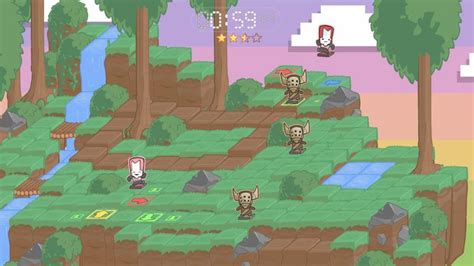
Video reigns supreme in the digital age, especially when it comes to gaming. Gamers are inherently visual, and video content allows them to experience a taste of the game before committing. High-quality trailers are paramount – from snappy reveal trailers that pique curiosity to detailed gameplay trailers showcasing mechanics and atmosphere. Developer diaries or ‘behind the scenes’ videos offer a human element, building trust and excitement by showing the passion and hard work involved. Long-form gameplay showcases or curated walkthroughs provide deeper insights, helping potential players understand if a game aligns with their preferences.
Real-Time Engagement: Live Streams and Interactive Demos
Few formats offer the immediate, unfiltered connection that live streaming does. Platforms like Twitch and YouTube Live allow developers or popular streamers to play indie games in real-time, interacting directly with viewers through chat. This creates a shared experience, fostering a sense of community and allowing for organic Q&A sessions. Complementing this, interactive demos and free playtests are invaluable. Giving gamers hands-on access, even for a limited time, provides a direct experience that no video or review can fully replicate. It’s a powerful way to convert curiosity into genuine interest and gather valuable feedback.
Deep Dives and Narratives: Written Content and Podcasts
While video offers immediacy, written content provides depth and permanence. In-depth reviews, thoughtful previews, and feature articles can explore a game’s narrative, design philosophy, and impact in ways video sometimes can’t. Interviews with developers offer personal stories, inspirations, and a glimpse into the creative process, forging a stronger connection between players and creators. Podcasts, too, have carved out a niche, offering a less visually demanding way for gamers to consume discussions, analyses, and interviews about indie titles while multi-tasking.
Community-Driven Content and Social Media Synergy
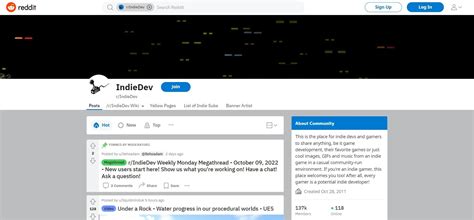
The most engaged gamers are often those who contribute. Encouraging and showcasing user-generated content—be it fan art, creative screenshots, short ‘Let’s Play’ clips, or even memes—can significantly amplify a game’s reach. Social media platforms (Twitter, Instagram, TikTok, Reddit, Discord) are vital for fostering direct interaction. Q&A sessions, polls, development updates, and community challenges keep the conversation alive. Discord servers, in particular, serve as hubs where players can connect directly with developers and each other, building loyal communities around indie titles.
Maximizing Impact: A Multi-faceted Approach
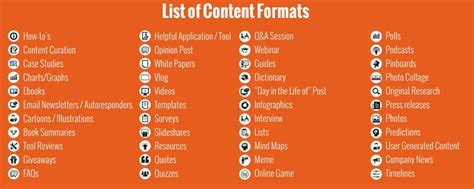
No single content format is a silver bullet. The most effective strategy for Indie Spotlight’s reach involves a harmonious blend, leveraging the strengths of each. A captivating trailer might lead to a streamer playing the demo, which then prompts a viewer to read an in-depth review and join the game’s Discord community. Authenticity and consistency are key. Tailoring content to specific platforms and understanding the nuances of the target audience will ensure that every piece of content contributes to a cohesive and compelling narrative, ultimately guiding more gamers to discover and fall in love with indie games.