What are essential community strategies for handling mod conflicts after game updates?

The Inevitable Challenge of Game Updates and Mods
Game updates are a double-edged sword for the modding community. While they bring exciting new content, bug fixes, and performance improvements, they almost invariably break existing mods. This rupture often stems from changes to game files, API, or data structures that mods rely on, leading to crashes, glitches, or complete inoperability. For dedicated players who have customized their experience with a vast collection of mods, this can be incredibly frustrating. The burden of adapting often falls to the mod developers, but a strong community can significantly mitigate the chaos and accelerate the return to stable gameplay.
Handling mod conflicts efficiently post-update is not just about fixing bugs; it’s about preserving the collective investment in modding and maintaining a positive player experience. Without structured community strategies, the period following an update can devolve into widespread confusion, duplicate bug reports, and a general decline in player morale. Therefore, establishing clear, collaborative protocols is paramount for any thriving modding ecosystem.
Proactive Measures Before the Update Hits
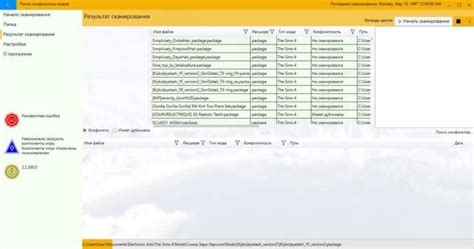
The best defense against post-update mod conflicts is a good offense. Communities can adopt several proactive strategies even before a major game update is released. This includes closely monitoring official game development channels for announcements, developer diaries, and public test server (PTS) or beta access. Skilled community members can analyze these pre-release versions to identify potential breaking changes, giving mod developers a head start in preparing updates for their mods.
Another crucial step is establishing clear communication channels between mod developers and the player base. Encouraging mod creators to use versioning, provide status updates, and utilize dedicated forum sections for update readiness can save countless hours of post-update confusion. A community-maintained compatibility list or wiki, updated regularly, serves as an invaluable resource for players to check if their favorite mods are likely to survive the update or have already been patched.
During the Update Rollout: Communication is Key
Once an update goes live, the immediate aftermath can be chaotic. This is when organized communication becomes absolutely critical. Communities should establish dedicated threads or channels on forums, Discord servers, or subreddits specifically for reporting mod conflicts related to the new update. These channels should encourage users to provide detailed information, including their mod list, game version, and specific steps to reproduce the issue.
Moderators play a vital role in curating these reports, consolidating similar issues, and escalating critical problems to relevant mod developers. Discouraging redundant posts and directing users to existing discussions helps prevent information overload. Furthermore, clear guidelines on how to temporarily disable mods, back up save files, or revert to older game versions can empower players to troubleshoot minor issues themselves and minimize frustration during the transition period.
Post-Update: Collaborative Troubleshooting and Resolution
After the initial wave of reports, the community shifts into a collaborative problem-solving phase. This involves several key strategies. Firstly, community members can assist mod developers by thoroughly testing updated mods and providing constructive feedback. Organized bug-reporting templates ensure that developers receive actionable information, streamlining the debugging process.
Secondly, advanced users and amateur coders within the community can often contribute directly to solutions. This might involve creating temporary compatibility patches for popular but unmaintained mods, developing tools to analyze mod conflicts, or even providing direct code suggestions to mod authors. Platforms that facilitate collaborative coding, such as GitHub, can be instrumental here. Celebrating and recognizing these community contributions fosters a spirit of collective ownership and support.
Fostering a Supportive Modding Ecosystem
Ultimately, essential community strategies for handling mod conflicts revolve around fostering a supportive, organized, and proactive ecosystem. This includes educating new mod users about best practices, such as backing up their game, installing a limited number of mods at a time, and understanding how to read mod logs. Encouraging players to donate to or endorse their favorite mod developers also provides crucial motivation for creators to maintain their work through updates.
A healthy modding community views game updates not as obstacles, but as opportunities to demonstrate its resilience and collaborative spirit. By implementing robust communication channels, proactive preparation, and collaborative troubleshooting methods, communities can transform the often-dreaded post-update period into a manageable and even engaging experience, ensuring that the vibrant world of game modding continues to thrive.