What are key indicators to adjust your build after a new patch?
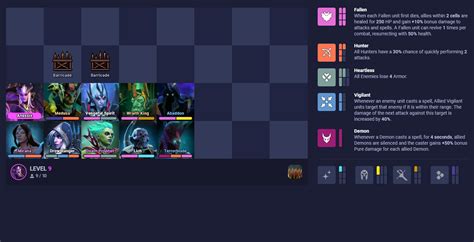
New patches are a double-edged sword for any serious player. They bring fresh content and balance changes but can also completely upend established strategies and optimal builds. Adapting swiftly is key to maintaining your edge. But how do you know when and what to adjust? It’s not just about blindly copying the latest tier list; it’s about understanding the underlying shifts.
Deep Dive into Patch Notes
The first and most fundamental indicator is always the patch notes themselves. These documents are the developers’ direct communication about what has changed. Pay close attention to:
- Direct Buffs/Nerfs: Are your core abilities, items, or champions/characters directly affected? A significant damage increase or decrease can instantly shift viability.
- Systemic Changes: Sometimes, patches introduce changes to core game mechanics, like healing reduction, resource regeneration, or movement speed. These can have a ripple effect on entire archetypes, even if your specific build components weren’t touched directly.
- New Content: The introduction of new items, characters, or maps can open up entirely new build possibilities or counter-strategies that weren’t present before.
It’s not enough to just skim. Read the details and try to extrapolate the potential impact. Think critically about how these changes might interact with your current playstyle and the broader meta.

Community Sentiment and Early Data
While patch notes are the foundation, the community’s reaction and early data are invaluable for understanding the real-world impact. Keep an eye on:
- Top Player Streams & Content: Professional players and high-ranking streamers are often the first to experiment and identify powerful new strategies or broken combinations. Watching their initial games can provide immediate insights.
- Dedicated Forums & Subreddits: These communities buzz with discussion immediately after a patch. Look for recurring themes, specific complaints about overpowered or underpowered elements, and shared experimental build ideas.
- Statistical Websites: Many games have third-party websites that track pick rates, win rates, and item popularity. A sharp increase or decrease in these metrics for certain elements indicates a strong shift in their power level. Pay attention to how your specific build components are performing in aggregate.
Be cautious, however, not to fall for hype. Early community reactions can sometimes be driven by initial impressions that don’t hold up in the long run. Use these as guiding indicators, not definitive truths.

Your Own In-Game Performance and Feel
Ultimately, the most important indicator is your personal experience. After a patch, play a few games with your existing build. Ask yourself:
- Are you winning less often? A noticeable drop in your win rate is a clear sign something is amiss.
- Do encounters feel different? Are enemies dying slower, or are you dying faster? Are certain abilities feeling weaker or stronger than before?
- Are specific counters now more prevalent? If the meta has shifted, certain builds or characters might have become more popular, and your current build might struggle against them more often.
- Is your build less satisfying or effective to play? Sometimes, even if a build isn’t completely broken, it might just not feel as good due to subtle changes, making it less enjoyable and harder to execute effectively.
Trust your gut feeling, but also back it up with objective analysis. Don’t immediately blame the patch for every loss, but acknowledge patterns.

Emerging Builds and Counterplay
Another strong indicator that your build needs adjustment is the emergence of new, dominant strategies from other players. If you consistently find yourself outmaneuvered or out-damaged by builds you haven’t seen before, it’s time to investigate. This could mean:
- A new ‘broken’ combination: Developers might have accidentally created an overpowered synergy.
- An old sleeper OP: A previously weak character or item might have received an indirect buff that makes them incredibly strong now.
- Counter-meta development: Players have found an effective counter to a previously dominant strategy that your build might be vulnerable to.
Analyze what these successful builds are doing and how they differ from your own. Are they using new items? Different skill allocations? A different approach to engagements? Understanding their strengths will inform your own adjustments.
The Iterative Process of Adjustment
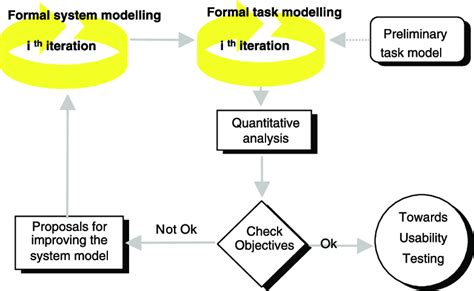
Adjusting your build after a new patch is rarely a one-time event. It’s an iterative process of:
- Identify the problem: Based on the indicators above, pinpoint what aspects of your build are underperforming or what new threats you need to address.
- Hypothesize solutions: Brainstorm potential changes. This might involve swapping out a single item, changing a talent, or even experimenting with a completely different core strategy.
- Test and refine: Take your adjusted build into actual games. Monitor your performance. Did the change help? Did it create new weaknesses?
- Repeat: Continue this cycle until you feel your build is optimized for the current meta.
Being adaptable and willing to experiment is your greatest asset in a constantly evolving game environment. Don’t be afraid to step outside your comfort zone and explore new possibilities.
Conclusion
Staying on top of the meta after a new patch requires a multi-faceted approach. By combining a thorough understanding of patch notes, vigilance in monitoring community and statistical data, honest self-assessment of your in-game performance, and an open mind to emerging strategies, you can quickly identify when and how to adjust your build. Embrace the dynamic nature of game updates, and you’ll find yourself not just adapting, but thriving.