What are key strategies for improving game sense and decision-making in competitive FPS?
The Foundation of FPS Excellence: Game Sense and Decision-Making
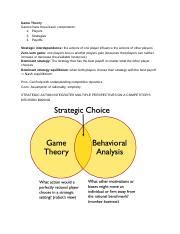
In the high-stakes world of competitive First-Person Shooters (FPS), raw aim can only take you so far. True mastery hinges on superior game sense and lightning-fast decision-making. Game sense encompasses an intuitive understanding of the game’s flow, anticipating enemy movements, and recognizing tactical opportunities. Decision-making, on the other hand, is the ability to process that information rapidly and execute the optimal action under pressure. Together, these skills separate the good players from the truly great.
Deep Dive into Map Knowledge and Awareness
One of the most fundamental pillars of game sense is comprehensive map knowledge. This goes beyond simply knowing the names of locations; it involves understanding every angle, common peeking spots, grenade trajectories, sound propagation, and rotational pathways. Players must internalize the strategic importance of each area, how to defend it, and how to assault it effectively. Constant awareness of the mini-map, coupled with mental tracking of enemy positions based on recent sightings or sound cues, allows for proactive rather than reactive play.
Leveraging Sound Cues and Information Gathering
Sound is your third eye in an FPS. Footsteps, gunshots, utility deployment, and reloads all provide invaluable information about enemy locations, numbers, and intentions. High-level players don’t just hear sounds; they interpret them, triangulating enemy positions, predicting pushes, and identifying isolated targets. Beyond audio, observe teammate pings, kill feed updates, and even the economy of the opposing team to piece together a complete picture of the unfolding round. The more information you gather, the more informed your decisions will be.
Strategic Positioning and Crosshair Placement
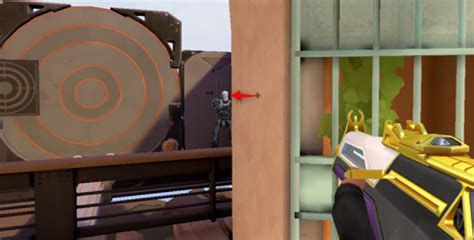
Excellent game sense dictates optimal positioning. This means not just holding an angle but holding the right angle at the right time. It involves understanding lines of sight, cover usage, and how to create advantageous peeking situations. Paired with this is intelligent crosshair placement – pre-aiming at common enemy head heights and anticipated entry points. This significantly reduces reaction time and increases the likelihood of winning initial duels, allowing you to focus more processing power on broader tactical decisions.
Economy Management and Utility Usage
In many competitive FPS titles, managing in-game economy and utility (grenades, abilities, ultimates) is critical. Knowing when to buy, when to save, and how to deploy utility effectively can swing entire rounds and even matches. A player with strong game sense understands the economic implications of their actions and uses their utility not just for individual plays but to create advantages for the entire team, whether it’s smoking off a choke point, flashing an entry, or wall-banging a common cover spot.
The Power of Communication and Teamwork
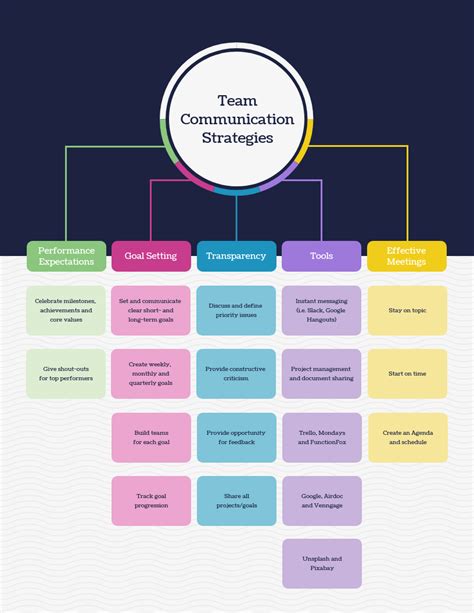
Individual game sense is amplified exponentially through effective team communication. Clear, concise callouts provide crucial information to your teammates, allowing for coordinated pushes, rotations, and retakes. Decision-making becomes a collective effort, where strategic plans are formulated and adapted on the fly. Practicing comms, developing shared terminology, and understanding each other’s playstyles builds a cohesive unit that can react faster and more intelligently than the sum of its parts.
Post-Game Analysis and VOD Review
Improvement is an iterative process. After matches, or even specific rounds, take time to analyze your gameplay. VOD (Video On Demand) review is an indispensable tool. Watch your own perspective and, if possible, your teammates’ or even the enemy’s perspective. Ask yourself: Why did I make that decision? What information did I miss? What could I have done differently? Identifying patterns in your mistakes and successes is key to breaking bad habits and reinforcing good ones, rapidly accelerating your learning curve.
Deliberate Practice and Scenario Training
Improving game sense isn’t just about playing more; it’s about playing smarter. Engage in deliberate practice. Use custom games to explore maps, test angles, and practice utility lineups. Create specific scenarios to train your decision-making under pressure. Focus on one aspect at a time – perhaps practicing only reacting to sound cues, or only making decisions based on mini-map information. Over time, these isolated skills will integrate into a seamless, intuitive game sense.
Conclusion: The Continuous Journey of Mastery
Improving game sense and decision-making in competitive FPS is a continuous journey that requires dedication, analytical thinking, and deliberate practice. By consciously focusing on map knowledge, sound awareness, strategic positioning, economic management, effective communication, and post-game analysis, players can elevate their play beyond mere mechanics. These strategic pillars don’t just make you a better individual player; they make you a more valuable and impactful teammate, paving the way for consistent success in the competitive arena.