




What are the best methods to keep gaming walkthroughs updated and relevant post-launch patches?
The Ever-Evolving Game World: Why Updates Matter
Gaming walkthroughs are invaluable resources, guiding players through intricate mechanics, challenging bosses, and hidden secrets. However, the modern gaming landscape is dynamic, with developers frequently releasing post-launch patches, hotfixes, and major content updates. These changes can render a once-perfect walkthrough obsolete, frustrating players and diminishing the guide’s utility. Ensuring walkthroughs remain current and accurate is not just a courtesy; it’s a necessity for maintaining relevance and trust within the gaming community.

Understanding the Challenge of Post-Patch Maintenance
The primary challenge lies in the unpredictable nature and frequency of game updates. Patches can range from minor bug fixes to fundamental overhauls of game mechanics, questlines, item stats, or even map layouts. A comprehensive walkthrough might need significant revisions, sometimes requiring a near-complete replay or re-evaluation of specific sections. Without a structured approach, creators can quickly fall behind, leading to outdated information and a poor user experience.
Common Issues Caused by Outdated Guides:
- Incorrect boss strategies or enemy weaknesses.
- Outdated item locations or quest objectives.
- Invalid puzzle solutions due to environmental changes.
- Missing new content, leading players astray.
- Damage to the guide creator’s reputation and credibility.
Effective Strategies for Keeping Walkthroughs Updated
To combat obsolescence, guide creators must adopt a proactive and systematic approach to maintenance. Here are several best methods:
1. Dedicated Monitoring and Re-Verification
This is the cornerstone of update management. Creators should actively follow official game patch notes, developer announcements, and community discussions. Upon a major patch release, specific sections of the walkthrough known to be affected (or potentially affected) should be re-verified through in-game testing. This might involve replaying key missions, checking item spawns, or testing new mechanics.
![Fable Anniversary Gameplay (Xbox One X HD) [1080p60FPS] - YouTube](/images/aHR0cHM6Ly90czMubW0uYmluZy5uZXQvdGg/aWQ9T0lQLm83UjdJa01LX1BCWE9VRnZLWnk5aFFIYUVLJnBpZD0xNS4x.webp)
2. Modular Walkthrough Design
Structuring a walkthrough in a modular fashion makes updates far more manageable. Instead of monolithic blocks of text, break content into smaller, self-contained sections for specific quests, areas, boss fights, or mechanics. When a patch hits, only the relevant modules need to be updated, rather than overhauling the entire guide. This approach significantly reduces the time and effort required for revisions.
3. Leveraging Community Feedback
The gaming community is often the first to discover changes. Establishing channels for feedback—be it comments sections, forums, or dedicated Discord servers—can provide invaluable real-time alerts about inconsistencies or new content requiring attention. Actively engaging with players and acknowledging their contributions can help identify areas needing updates more quickly.

4. Version Control and Change Logs
Implementing a clear version control system for your walkthroughs is crucial. Each major update to the guide should correspond to a new version, clearly indicating which game patch it addresses. A visible ‘Change Log’ section at the beginning or end of the walkthrough can summarize the revisions made and the date they were implemented. This transparency helps users understand the guide’s current relevance and what has been altered.
5. Prioritizing Critical Changes
Not every minor hotfix requires an immediate, extensive update. Focus on changes that fundamentally alter gameplay, quest progression, or render previous strategies entirely unviable. Minor numerical tweaks or cosmetic changes can often be addressed in less urgent updates or consolidated into a single revision covering several small patches. Prioritization ensures efficient use of time and resources.
Tools and Best Practices for Efficient Maintenance
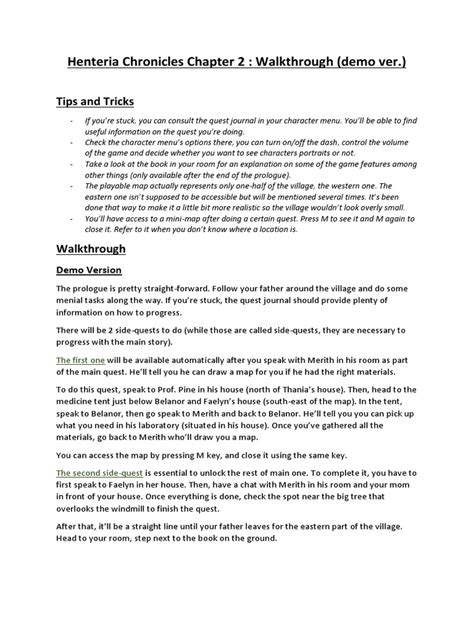
- Content Management Systems (CMS): Utilize CMS platforms that allow easy editing, versioning, and archiving of content. Many platforms offer features beneficial for collaborative editing if multiple creators are involved.
- Annotation and Highlighting: Temporarily highlight or annotate sections that are currently under review or have recently been updated to draw user attention to crucial changes.
- Archiving Older Versions: For games with very significant overhauls, consider archiving older versions of the walkthrough, clearly labeled with the game patch they cover. This can be useful for players still on older game versions (e.g., console players awaiting a PC patch) or for historical reference.
- Dedicated “Known Issues” Section: Add a section at the top of the guide detailing known discrepancies or sections currently being updated. This manages user expectations.
Conclusion
Maintaining up-to-date gaming walkthroughs in an era of continuous game development is an ongoing commitment, but an essential one. By embracing proactive monitoring, modular design, community collaboration, and clear version control, creators can ensure their guides remain valuable, relevant, and trusted resources for gamers navigating the ever-changing digital worlds. The effort invested in timely updates directly translates into a superior experience for players and enduring credibility for the guide’s author.



