What criteria best select indie games for our ‘Spotlight’ to boost player engagement?
The Quest for Engagement: Defining Our Indie Spotlight Criteria
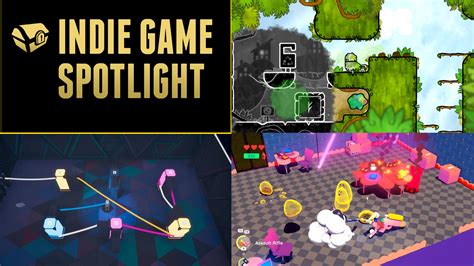
In the vast and ever-expanding universe of independent games, a ‘Spotlight’ feature serves as a beacon, guiding players to hidden gems they might otherwise miss. However, merely highlighting any indie title isn’t enough; the true challenge lies in selecting games that genuinely resonate with our audience, driving engagement, discussion, and ultimately, a thriving community around the featured titles. To achieve this, a robust set of selection criteria is essential.
Our goal isn’t just to showcase games, but to curate experiences that captivate and convert casual browsers into passionate players. The right selection strategy can elevate promising indies and significantly boost our platform’s credibility as a go-to source for quality independent gaming.

1. Originality and Innovation: The Core of Indie Identity
Indie games are often celebrated for their freedom from corporate constraints, allowing developers to experiment and innovate. Therefore, a primary criterion must be the game’s originality. Does it offer a unique gameplay mechanic not seen before? Does its art style break new ground or present a distinct aesthetic? Is its core concept a refreshing take on an established genre, or does it defy categorization entirely?
Games that dare to be different are more likely to spark curiosity and stand out in a crowded market. Innovation isn’t just about technical prowess; it can be found in narrative structure, puzzle design, control schemes, or even the underlying philosophy of play. Prioritizing these groundbreaking titles ensures our ‘Spotlight’ truly lives up to its name, illuminating fresh perspectives.
2. Gameplay Depth and Polish: Sustaining Player Interest
While originality draws players in, it’s the gameplay depth and polish that keeps them engaged. A game selected for our ‘Spotlight’ must offer a satisfying and stable playing experience. This includes intuitive controls, well-balanced mechanics, clear progression systems, and a reasonable level of technical polish, free from game-breaking bugs.
Consider replayability: does the game offer multiple paths, New Game+, robust customization, or emergent gameplay that encourages continued play? A deep game provides layers of discovery and mastery, ensuring players invest significant time and feel rewarded for their commitment. Community engagement thrives when players have rich experiences to discuss and share.

3. Narrative and World-Building: Crafting Immersive Experiences
For many players, the story and the world within a game are as crucial as the mechanics. A compelling narrative, well-developed characters, or an intricately designed game world can create profound emotional connections and a lasting impression. Does the game tell a story that’s thought-provoking, emotionally resonant, or simply captivating?
Strong world-building, even in games without explicit narratives, creates an atmosphere and identity that players can lose themselves in. Games that successfully transport players to another reality, be it fantastical, futuristic, or deeply personal, are excellent candidates for a ‘Spotlight’ due to their ability to foster deep player investment and lively discussions about lore and character motivations.
4. Community Potential and Accessibility: Broadening Reach
Beyond the game itself, we must consider its potential to foster a community and its overall accessibility. Does the game lend itself well to streaming, creating viral moments, or inspiring fan art and discussions? Multiplayer components, modding support, or even a strong, active developer presence can significantly amplify a game’s reach and longevity.
Accessibility, in terms of both ease of entry for new players and options for diverse audiences (e.g., customizable controls, difficulty settings, clear UI/UX), also plays a role. A game that welcomes a broader audience naturally has a larger potential community base, leading to greater engagement around our ‘Spotlight’ feature.

5. Developer Story and Passion: The Human Element
Finally, the story behind the game and the passion of its creators can be a powerful engagement tool. Understanding the journey, challenges, and inspirations of an indie developer adds a human element that resonates with audiences. Is there a compelling narrative about the game’s creation? Does the developer have a unique vision or a strong connection with their community?
Highlighting the developer’s journey not only celebrates their hard work but also builds a bridge between players and creators, fostering empathy and deeper appreciation for the game. This personal touch can make a ‘Spotlight’ feel more authentic and relatable, further boosting engagement.

Conclusion: A Holistic Approach to Engagement
Selecting indie games for our ‘Spotlight’ is an art informed by science. By meticulously evaluating titles against criteria such as originality, gameplay depth, narrative strength, community potential, and developer passion, we can ensure that our featured games not only capture attention but sustain it. A holistic approach that balances these elements will lead to a ‘Spotlight’ that consistently delivers high-quality, engaging experiences, solidifying our reputation and growing our player community around the vibrant world of independent gaming.