What key communication strategies boost synergy in competitive MOBA teams?

In the high-stakes world of competitive Multiplayer Online Battle Arenas (MOBAs), individual skill is merely one piece of the puzzle. The true champions are often those teams that operate as a single, synchronized unit, where players anticipate each other’s moves and execute complex strategies flawlessly. This level of synergy isn’t born purely from practice; it’s meticulously forged through superior communication. So, what are the key communication strategies that elevate a group of skilled players into an unstoppable MOBA team?
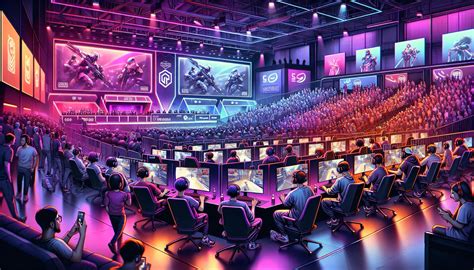
1. The Art of Clear, Concise, and Timely Calls
During the chaos of a teamfight or a critical objective contest, every second counts. Long-winded explanations are detrimental. Pro teams master the art of brevity, using specific, agreed-upon terminology to convey maximum information in minimal words. This includes calls like “Enemy missing mid,” “Gank top in 10,” “Focus ADC,” or “Dragon contest.” The goal is to provide actionable intelligence instantly, allowing teammates to react without hesitation. Furthermore, calls must be timely; information shared too late is as useless as no information at all.
2. Establishing Pre-Game & Draft Communication Protocols
Synergy begins long before the first minion spawns. Successful teams engage in extensive pre-game discussions covering draft strategy, role assignments, lane matchups, and early-game objectives. This ensures everyone is on the same page regarding the team’s overall game plan and individual responsibilities. During the draft phase, clear communication about champion strengths, counters, and potential synergies is vital to build a cohesive team composition that complements each player’s style.
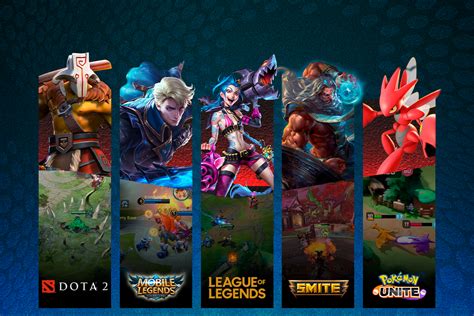
3. Effective Use of Pings and Non-Verbal Cues
While voice communication is paramount, pings offer a crucial layer of non-verbal communication, especially in situations where speaking might be too slow, noisy, or distracting. Contextual pings – such as ‘on my way,’ ‘danger,’ ‘assist,’ or specific target pings – can convey immediate intentions or threats without interrupting ongoing voice calls. Mastering ping etiquette ensures that vital information is disseminated efficiently across the map, enhancing map awareness and coordinated movements.
4. Constructive Post-Game Analysis and Feedback
Communication doesn’t end when the ‘Victory’ or ‘Defeat’ screen appears. Post-game analysis is where true growth occurs. High-performing teams dedicate time to review replays, discuss critical moments, and provide constructive feedback to each other. This isn’t about blaming but about identifying mistakes, understanding why they happened, and collectively devising strategies to prevent recurrence. A culture of open, honest, and respectful feedback is essential for continuous improvement and solidifies team trust.

5. Emotional Regulation and Positive Reinforcement
Competitive environments are inherently stressful. Maintaining composure and a positive mental attitude through effective communication is vital. Players must learn to regulate their emotions, avoid toxic language, and offer positive reinforcement. A simple “Nice play” or “We got this” can significantly boost morale and prevent tilt, especially after a setback. Leaders often take charge in calming tensions and redirecting focus, ensuring that communication remains productive and forward-looking.
Achieving true synergy in competitive MOBA teams is a multifaceted endeavor, but at its core lies superior communication. By implementing clear, concise calls, establishing robust pre-game protocols, leveraging non-verbal cues, engaging in constructive post-game analysis, and fostering a positive emotional environment, teams can transcend individual limitations. These strategies transform a group of players into a unified force, capable of executing complex strategies with precision and adapting dynamically to any challenge the arena throws their way. Ultimately, it’s not just about what you say, but how effectively you say it, that dictates success on the digital battlefield.