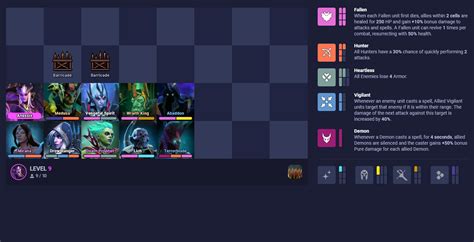
What specific build adjustments are vital for optimal meta performance post-patch?
Game patches are the earthquakes of the digital world, constantly shifting the landscape of competitive play. For dedicated players aiming for optimal performance, understanding and adapting to these changes is not merely recommended—it’s essential. A build that was once top-tier can quickly become suboptimal or even obsolete after a significant update. This guide explores the vital adjustments necessary to ensure your character remains at the peak of the meta.
Deconstructing the Patch Notes: Your First Step
The most critical starting point is a meticulous review of the official patch notes. Don’t just skim for headlines; dive deep into the specifics. Look for direct buffs or nerfs to your character’s abilities, core stats, or associated items. Pay close attention to changes affecting common enemies, encounter mechanics, or even overarching game systems that might indirectly impact your build’s viability. Understanding the raw data is the foundation of any successful adaptation.
Identifying Meta Shifts: Beyond Raw Numbers
Patch notes alone don’t tell the whole story. The true challenge lies in interpreting how these individual changes coalesce into broader meta shifts. Did a particular class or weapon receive a substantial buff, making it the new “must-have”? Was a previously dominant strategy indirectly nerfed by changes to support characters or defensive mechanics? Observe community discussions, high-level gameplay, and data aggregators to grasp the emergent meta. This foresight allows you to prepare for the new competitive environment rather than react to it.
Re-evaluating Stat Prioritization and Gearing
One of the most immediate and impactful adjustments involves your character’s stat priority. A percentage-based buff to an ability might suddenly make a secondary stat like Haste more valuable than Critical Strike, or vice-versa. Similarly, itemization needs a thorough review. A legendary item that was once best-in-slot might be outshined by a new item or an older one that synergizes better with adjusted abilities. Consider:
- **Attribute Weights:** Recalculate or consult updated guides for optimal primary and secondary stat distribution.
- **Trinket/Accessory Power:** Are certain on-use or passive effect trinkets now stronger or weaker in the new damage/healing profiles?
- **Set Bonuses/Synergies:** Have set bonuses been re-tuned, or do new item combinations offer superior advantages?

Skill Tree and Talent Reconfigurations
Modern games often feature intricate skill trees or talent systems. Post-patch, it’s highly likely that certain talents have been buffed, nerfed, or even reworked entirely. A talent path that was once considered niche could become foundational, while a previously essential choice might now be inefficient. Don’t be afraid to experiment with new talent combinations. Sometimes, even a minor change to a utility talent can significantly enhance your overall performance, allowing for new tactical plays or improved survivability in the altered meta.

Adapting Playstyle and Rotation
Build adjustments rarely exist in a vacuum; they often necessitate changes to your playstyle and ability rotation. A stat adjustment might change the breakpoints for certain abilities, affecting when you use them. A new talent could introduce a fresh mechanic that needs to be integrated into your combat flow. Even seemingly minor tweaks can have a cascading effect. Practice these new rotations extensively, whether against training dummies or in lower-stakes content, before taking them into high-stakes competitive environments.
Developing Counter-Meta Strategies
Once the new meta solidifies, a crucial step for truly optimal performance is to consider “counter-meta” strategies. If a particular build or playstyle becomes overwhelmingly dominant, can you craft an alternative build specifically designed to exploit its weaknesses? This might involve emphasizing different defensive stats, bringing unique crowd control, or specializing in damage profiles that bypass the prevalent resistances or survivability tools. Being able to adapt not just to the meta, but against it, is the mark of a truly skilled player.

Continuous Testing and Refinement
The meta is rarely static for long, even after a major patch. Expect minor hotfixes and ongoing community discoveries to continue shaping the landscape. Optimal performance isn’t a destination; it’s a journey of continuous testing, analysis, and refinement. Engage with community theory-crafting, run simulations, and critically evaluate your own performance in live play. The players who consistently adapt and iterate on their builds are the ones who stay at the top.
Conclusion
Achieving and maintaining optimal meta performance post-patch requires a methodical approach that goes beyond simply copying the latest popular build. It demands a deep understanding of patch notes, an astute interpretation of meta shifts, meticulous build adjustments across stats, gear, and talents, and a willingness to adapt your playstyle. By embracing this proactive and analytical mindset, you can not only survive the ever-changing game environment but truly thrive in it.