What specific info in an Indie Spotlight best helps players decide to buy/play?
Indie game discovery is a crowded space, and an effective “Indie Spotlight” serves as a crucial bridge between innovative developers and eager players. But what specific information truly sways a player from curiosity to commitment? It’s more than just a summary; it’s a curated presentation designed to answer the player’s unspoken questions and ignite their imagination.
Understanding the Player’s Mindset
Players approaching an indie spotlight are often looking for something fresh, something that deviates from the mainstream. They’re asking: “Is this game for me?”, “What makes it special?”, and “Will I enjoy spending my time and money on it?”. The best spotlights provide direct, compelling answers to these questions.
The Core Loop and Unique Selling Proposition (USP)
At the heart of any compelling indie spotlight should be a crystal-clear explanation of the game’s core loop and its unique selling proposition. What is the fundamental gameplay experience? Is it a rogue-lite with innovative combat? A narrative-driven puzzle game with unique mechanics? Developers often get too deep into lore or minor features. Players need to grasp the ‘hook’ instantly.
- “What do you do in the game?” – A concise explanation of player actions and goals.
- “What makes it different?” – Highlight the innovative mechanics, the unique art style, or the fresh take on an established genre. Avoid jargon; focus on the impact of these differences on the player experience.
Authentic Gameplay Footage and Demos
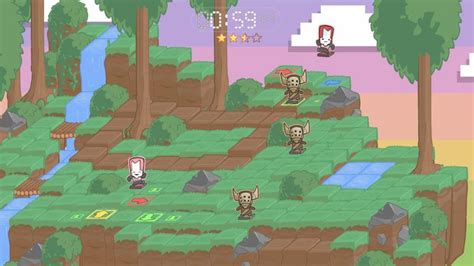
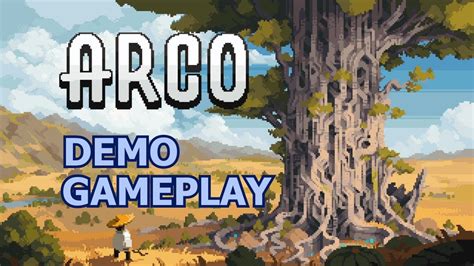
Nothing sells an experience like seeing it in action. Static screenshots are a start, but high-quality, unedited gameplay footage is paramount. Players want to see the game’s mechanics in motion, understand the pace, and get a feel for the atmosphere.
Crucial elements here are:
- Raw, uninterrupted gameplay: Showcase actual moments from the game, not just cinematic trailers.
- Varied scenarios: If applicable, show exploration, combat, puzzle-solving, and character interaction.
- Performance indication: While not a guarantee, smooth footage suggests a well-optimized game.
- Availability of a demo: If a demo exists, prominently feature how players can access it. A hands-on experience is the ultimate decider.
Developer Vision and Passion
Indie games often carry the personal touch of their creators. Players connect with this. A spotlight that shares the developer’s journey, their inspiration, or the challenges they overcame can forge a powerful emotional connection.
The “Why” Behind the Game
Understanding the “why” — why this game was made, what message it conveys, or what experience the developer hopes to deliver — adds depth beyond just mechanics. This doesn’t mean a lengthy autobiography, but a brief, sincere insight into the passion driving the project.
- A short interview or quote: Direct words from the dev team can be incredibly impactful.
- Concept art or early development snippets: These can showcase the evolution and dedication behind the project.

Genre Fit, Technical Details, and Platform Availability
While unique is good, players also want to know if a game fits their preferred genres. Clearly stating the genre (e.g., “turn-based tactical RPG,” “atmospheric narrative adventure”) helps players quickly filter. Beyond that, practical information is key.
- Clear genre classification: Helps players set expectations.
- Target platforms: PC, Switch, PlayStation, Xbox, Mobile – this is non-negotiable information.
- System requirements (for PC games): Minimum and recommended specs prevent frustration post-purchase.
- Expected playtime: A rough estimate can help players manage expectations and value.
Community Engagement and Support Outlook
For many indie games, ongoing development and community interaction are vital. A spotlight can highlight how responsive the developers are and what kind of post-launch support players can expect.
This includes:
- Links to social media and Discord: Shows an active community and open communication channels.
- Roadmap (if applicable): Indicates future content and commitment.
- Early access status and plans: Transparency about development stages is crucial.

Price Point and Value Proposition
Finally, the practical aspects: price and perceived value. An indie spotlight should present the price clearly and, ideally, justify it through the game’s features, depth, or unique experience.
Don’t shy away from discussing value:
- Clear pricing: Obvious and easy to find.
- What justifies the price: Is it a short, highly polished experience, or a sprawling epic with hundreds of hours of content? Align expectations.
- Any discounts or bundles: If relevant, mention limited-time offers.
Conclusion
An effective Indie Spotlight isn’t just a marketing blurb; it’s a curated conversation with the potential player. By focusing on the core gameplay loop, offering authentic visual evidence, sharing the developer’s passion, providing clear technical details, and transparently communicating value, these spotlights can transform casual interest into confident purchases. Ultimately, it’s about building trust and helping players make informed, exciting decisions in a vibrant, diverse indie landscape.