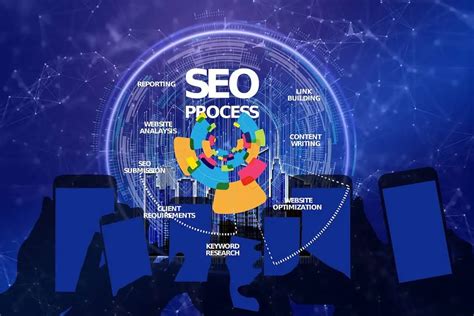
What structure and keywords optimize a gaming walkthrough for player search & quick answers?
The Critical Role of Optimized Walkthroughs in Gaming
In the fast-paced world of gaming, players often turn to walkthroughs for guidance, whether they’re stuck on a challenging boss, searching for a hidden collectible, or simply seeking the most efficient path through a complex level. To be truly effective, a walkthrough must not only provide accurate information but also be structured and keyword-optimized to be easily found by search engines and quickly scannable by frustrated players. This guide explores the essential elements that combine to create an invaluable resource for any gamer.
Structural Elements for Instant Clarity and Navigation
The foundation of an effective walkthrough lies in its structure. Players arriving at your guide are often looking for immediate solutions, not an extended narrative. Prioritizing readability and quick navigation is paramount.
1. Clear, Descriptive Headings and Subheadings
- Use H2s for Major Sections: Each main quest, mission, or significant chapter should have its own
<h2>tag (e.g., “Chapter 3: The Whispering Woods,” “Main Quest: Legacy of the Ancients”). - Use H3s for Specific Objectives/Puzzles: Within major sections, break down objectives, puzzles, boss encounters, or collectible locations with
<h3>tags (e.g., “Locating the Sunken Key,” “Boss Fight: The Shadow Beast,” “Solving the Celestial Puzzle”). - Keyword Integration: Naturally weave game-specific keywords into your headings (e.g., “Elden Ring Carian Study Hall Puzzle Solution,” “Zelda Tears of the Kingdom Gemimik Shrine Walkthrough”).
2. Table of Contents (TOC)
For longer walkthroughs, an interactive table of contents at the beginning allows players to jump directly to the section they need. This significantly improves user experience and time-to-answer metrics.
3. Bullet Points and Numbered Lists
Complex steps, item lists, or decision trees are best presented as bullet points or numbered lists. This breaks down information into digestible chunks, making it easy to follow even under pressure.
- Example: “Steps to Defeat the Fire Elemental:”
- Equip Ice enchantment on your weapon.
- Dodge its flame breath attack.
- Attack during its cooldown phase.
- Utilize Frost Nova when it summons minions.
4. Bold Text and Highlighted Keywords
Emphasize critical information like item names, crucial dialogue choices, important NPC names, or specific actions by using bold text. This helps players quickly scan and extract the most vital details.
5. Short Paragraphs and Concise Language
Avoid long blocks of text. Keep paragraphs short and to the point. Use direct, actionable language. Players want instructions, not essays.
Keyword Optimization for Enhanced Player Search
Even the most perfectly structured walkthrough is useless if players can’t find it. Effective keyword strategy is about anticipating player questions and incorporating those terms into your content.
1. Understanding Player Search Intent
Players search for walkthroughs with specific goals. Common intents include:
- Problem Solving: “How to beat [Boss Name],” “Stuck on [Puzzle Name],” “Why won’t [NPC] talk to me?”
- Location Finding: “Where is [Item Name],” “How to get to [Location Name],” “Secret [Collectible] location.”
- Completionist Goals: “All [Game Name] achievements,” “[Game Name] 100% walkthrough,” “Best ending guide.”
2. Leveraging Long-Tail Keywords
While broad terms like “game walkthrough” are highly competitive, long-tail keywords (phrases of three or more words) are specific and often have less competition, leading to higher conversion rates.
- Instead of: “Boss Guide”
- Consider: “Hollow Knight Mantis Lords Strategy No Hit,” “God of War Ragnarok Gna Valkyrie Queen Build.”
3. Incorporating Game-Specific Terminology
Use the exact names for characters, items, locations, abilities, and quests as they appear in the game. Players will search using these precise terms.
- Example: If a quest is called “The Blighted Grove,” use that exact phrase, not “that forest quest.”
4. Synonyms and Common Misspellings
Consider variations and common misspellings. While search engines are intelligent, including a few common alternative phrases can broaden your reach.
- Example: “Final Fantasy 7 Remake Materia guide” and “FF7 Remake Materia locations.”

Integrating Structure and Keywords for Maximum Impact
The true power comes from combining these two elements. Keywords shouldn’t be stuffed; they should naturally fit within your optimized structure.
- In Headings: “How to Solve the Water Temple Puzzle in Zelda Ocarina of Time” (structural + keyword).
- In Introductory Paragraphs: Briefly introduce what the section covers, incorporating key search terms.
- In Body Text: Naturally explain steps using game-specific terms and problem-solving phrases.
- In Quick Reference Boxes: Summarize key steps or item locations using targeted keywords.
For instance, if a player is searching for “Skyrim Daedric Quests walkthrough,” a well-structured guide would have an <h2> for “Daedric Quests,” an <h3> for each individual quest (e.g., “The House of Horrors Quest Guide”), and bullet points outlining the steps for each, all while mentioning quest-specific items and NPCs. This comprehensive approach ensures both discoverability and usability.
Conclusion
Crafting an optimized gaming walkthrough is an art that blends clear, scannable structure with intelligent keyword integration. By anticipating player needs, breaking down complex information into digestible segments, and speaking the language of your audience through targeted keywords, you can create a resource that not only ranks high in search results but also genuinely helps players overcome challenges and enhance their gaming experience. Prioritizing both search engine visibility and user-friendliness ensures your guide becomes a go-to for the gaming community.