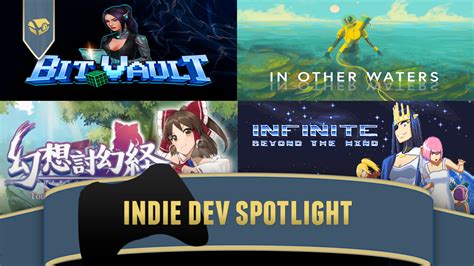
What *unique gameplay hook* or *art style* makes an *indie game* *spotlight*-worthy?
Navigating the Crowded Indie Galaxy
The independent game development scene is a vibrant, ever-expanding galaxy, brimming with creativity and passion. However, this very abundance also presents a significant challenge: how does a new indie title cut through the noise and capture the attention of players and critics alike? While polish and marketing play their part, the fundamental answer often lies in two core pillars: a truly unique gameplay hook or a distinct, captivating art style.
The Irresistible Pull of a Unique Gameplay Hook
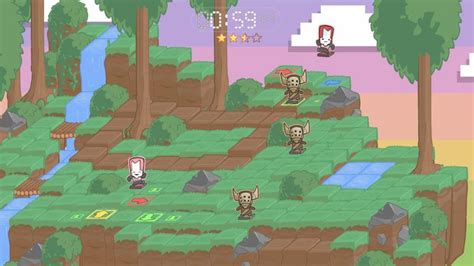
A “unique gameplay hook” refers to a core mechanic or system that fundamentally differentiates a game from its peers. It’s not just a minor tweak; it’s an inventive twist that redefines player interaction, problem-solving, or narrative progression. Think of games that introduce novel locomotion, time manipulation that impacts more than just puzzles, or combat systems that defy traditional archetypes. These hooks often force players to unlearn conventions, engage their brains in new ways, and offer experiences impossible to find elsewhere.
For instance, a game might revolutionize the platforming genre by making the environment itself reactive to sound, or turn a simple crafting system into a complex, evolving narrative engine. Such innovations don’t just provide fun; they create memorable moments and spark conversations, making a game genuinely spotlight-worthy. They demonstrate a developer’s courage to experiment and push the boundaries of what games can be, fostering a deep sense of engagement and discovery that transcends mere entertainment.
The Visual Language of a Distinct Art Style
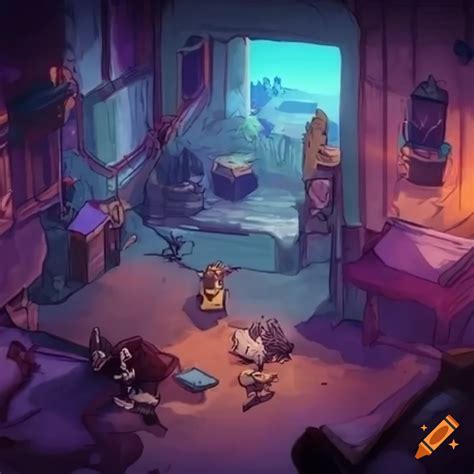
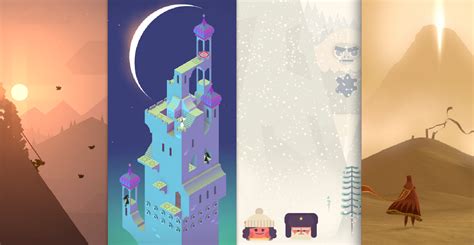
Beyond mechanics, a game’s art style is its visual voice, its immediate appeal, and often the first impression it makes. A “distinct art style” is more than just pretty graphics; it’s a cohesive aesthetic vision that permeates every pixel and polygon, telling a story and setting a mood before a single button is pressed. It can range from meticulously crafted pixel art that evokes nostalgia while offering modern complexity, to striking hand-drawn animations that breathe life into characters, or abstract, surreal 3D environments that transport players to other realities.
The power of a unique art style lies in its ability to create instant recognition and emotional resonance. It can transform simple game concepts into profound experiences, making a game visually unforgettable. Consider titles that forgo photorealism for a stylized, consistent aesthetic that amplifies their thematic core. This visual distinctiveness can attract players who might otherwise overlook a game, drawing them in with its sheer beauty, originality, or evocative atmosphere, ultimately cementing its place in the indie spotlight.
When Innovation and Aesthetics Converge
While a game can shine brightly with just one of these elements, the true titans of the indie world often master both. When a groundbreaking gameplay hook is seamlessly interwoven with a stunning, thematic art style, the result is a truly transcendent experience. These games don’t just stand out; they set new benchmarks, influencing future generations of game developers and captivating audiences worldwide. The synergy between innovative mechanics and compelling visuals creates a holistic and deeply immersive world that is more than the sum of its parts.
Conclusion: The Quest for Uniqueness
In a marketplace overflowing with creativity, the quest for uniqueness remains paramount for any indie game aspiring to the spotlight. Whether through a revolutionary gameplay hook that redefines interaction or a breathtaking art style that carves out an unforgettable visual identity, the goal is to offer something genuinely new and compelling. For developers, this means embracing experimentation, trusting their creative vision, and daring to be different. For players, it means a continuous stream of fresh, exciting experiences that prove the indie scene is where true innovation often thrives.