What’s the best strategy for gaming guide SEO to rank for specific game queries?

Cracking the Code: Ranking for Hyper-Specific Game Queries
In the vast, ever-expanding universe of video games, players constantly seek precise information. Whether it’s the exact location of a rare item, a step-by-step walkthrough for a challenging quest, or the optimal build for a specific character, the demand for highly targeted gaming guides is immense. However, simply publishing a guide isn’t enough; the real challenge lies in ensuring it ranks prominently for those hyper-specific queries in search engines. This requires a strategic blend of understanding player intent, deep keyword research, and meticulous optimization.
Understanding Your Audience and Their Search Intent
Before diving into keywords, it’s crucial to put yourself in the player’s shoes. What problem are they trying to solve? Are they stuck on a boss, looking for the best gear, or trying to understand complex game mechanics? Their intent dictates the type of query they’ll use. Players often use very specific phrases: “Elden Ring Ranni questline walkthrough,” “Diablo 4 best Rogue build season 3,” or “Genshin Impact Primogem locations Liyue.”
Recognizing these distinct search patterns allows you to tailor your content directly to their needs, making it more relevant and, consequently, more likely to rank. Think about the stage of the game they might be in or the specific item they’re struggling to find.

Meticulous Keyword Research for Specific Game Queries
This is the bedrock of ranking for niche game queries. Generic terms like “Elden Ring guide” are too broad and competitive. Instead, focus on long-tail, highly specific phrases that players are actively searching for. Utilize tools like Google Keyword Planner, Ahrefs, or SEMrush, but also look beyond traditional SEO tools:
- In-game language: Use the exact names of items, quests, characters, locations, and abilities as they appear in the game.
- Community forums and Reddit: Monitor discussions on game-specific subreddits, official forums, and Discord channels. What questions are players repeatedly asking? These are goldmines for specific queries.
- “People Also Ask” and “Related Searches”: Google’s own SERP features offer direct insights into related, specific questions users are asking.
- Competitor analysis: Analyze guides from top-ranking sites for similar queries. What keywords are they targeting in their titles, headings, and content?
By identifying these granular keywords, you can create content that directly answers player questions, making it highly valuable to both users and search engines.

On-Page Optimization: Crafting Rank-Worthy Content
Once you have your target keywords, integrate them strategically throughout your guide. This isn’t about keyword stuffing, but about demonstrating comprehensive relevance:
- Title Tags & Meta Descriptions: Crucially, include the game’s full name and the specific query. Make them compelling to encourage click-throughs. Example: “Elden Ring: Complete Ranni Questline Walkthrough & Rewards Guide.”
- URL Structure: Keep URLs clean, descriptive, and keyword-rich. Avoid generic IDs. Example:
yourdomain.com/elden-ring-ranni-questline-walkthrough. - Heading Structure (H1, H2, H3): Use your primary keyword in your H1 (which should ideally be your article title) and variations or related specific queries in H2s and H3s. Break down your guide into logical, easy-to-digest sections.
- Content Quality & Comprehensiveness: Your guide must be accurate, detailed, and easy to follow. Provide step-by-step instructions, clear explanations, and address all possible permutations of the query. Use clear language and bullet points for readability.
- Internal Linking: Link to other relevant guides on your site, establishing a strong internal link profile and helping users (and search engines) navigate your content ecosystem.

Technical SEO Considerations for Gaming Guides
While content is king, technical foundations ensure your guides are discoverable and user-friendly:
- Page Speed: Gaming guides often include many images or videos. Optimize these assets for web without sacrificing quality to ensure fast load times, especially for mobile users.
- Mobile-Friendliness: A significant portion of gamers browse on mobile. Ensure your guides are fully responsive and provide an excellent experience on all screen sizes.
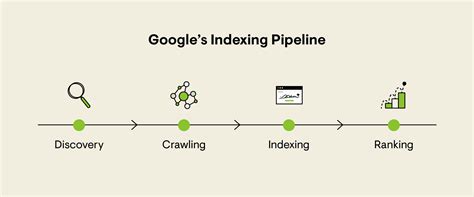
- Structured Data (Schema Markup): Implement schema markup (e.g.,
Article,HowTo,VideoObject) where appropriate. This helps search engines understand the content and can lead to rich snippets in search results, increasing visibility.
Promoting and Updating Your Guides
Even the best guide needs visibility and freshness:
- Social Media & Communities: Share your guides on relevant social media platforms, Discord servers, and gaming forums (where permitted and appropriate) to drive initial traffic and engagement.
- Backlink Building: While harder for specific guides, high-quality backlinks from other reputable gaming sites can significantly boost authority. Focus on creating such exceptional content that it naturally earns links.
- Regular Updates: Games evolve with patches, DLCs, and meta changes. Regularly review and update your guides to ensure accuracy and relevance. Google favors fresh, up-to-date content, especially for live-service games.

Conclusion
Ranking for specific game queries is a marathon, not a sprint. It demands a deep understanding of player needs, exhaustive keyword research, meticulous on-page optimization, solid technical SEO, and a commitment to ongoing promotion and content freshness. By adopting this holistic approach, your gaming guides won’t just exist; they’ll thrive at the top of search results, becoming indispensable resources for gamers worldwide.