





What’s the best strategy for updating gaming reviews after major patches or DLC releases?
The Dynamic Nature of Modern Gaming
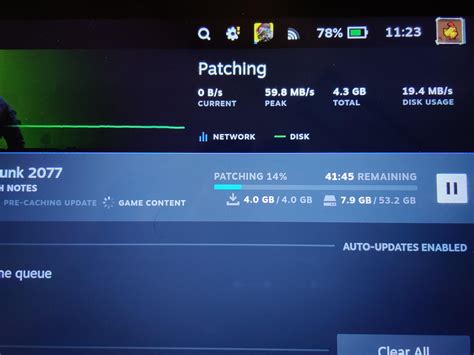
Modern video games are rarely static. From the moment of launch, developers continuously release patches, hotfixes, expansions, and downloadable content (DLC) that can dramatically alter the gameplay, narrative, performance, and overall experience. For professional game reviewers, this dynamic environment presents a unique challenge: how do you ensure a review remains accurate and helpful to readers months or even years after its initial publication?

Why Updating Reviews is Crucial
An outdated review can be misleading, frustrating, and ultimately unhelpful. If a game launches with significant technical issues that are later resolved, an old review highlighting those issues no longer reflects the current state. Conversely, if a game receives game-changing DLC that adds hours of content or fundamentally alters its progression, ignoring these additions would be a disservice to potential players. Updating reviews maintains credibility, supports consumer decision-making, and reflects the evolving nature of the game itself.
Strategies for Effective Review Updates
1. The Appended Update
This is arguably the most common and practical approach. The original review remains largely intact, but a clearly marked section is added, typically at the beginning or end, detailing the changes brought by the patch or DLC. This section should cover new content, balance adjustments, bug fixes, and any significant impact on the game’s original score. Transparency is key here, indicating the date of the update and what specifically has changed.
2. The Full Re-review
A full re-review is reserved for situations where a game has undergone such a massive transformation that its initial assessment is no longer relevant. This might happen with games like No Man’s Sky or Final Fantasy XIV, which relaunched or significantly overhauled their core experience post-launch. In such cases, a completely new review (or a heavily revised one replacing the original) is justified, often with a clear note explaining why the re-evaluation was necessary.
3. Separate DLC/Expansion Reviews
For substantial, self-contained DLC or major expansions that add significant new campaigns, mechanics, or story arcs, a separate review dedicated solely to the new content can be the best strategy. These reviews typically assume the reader has familiarity with the base game and focus on the merits and shortcomings of the expansion itself. It’s crucial to link back to the original review for context.

4. The “Living Review” Model
Some publications adopt a “living review” model, especially for live-service games or those with continuous content drops. This approach involves continuously updating a single review, often without a fixed score, or with a score that fluctuates. Updates are frequent and minor, designed to keep the review perpetually current. While comprehensive, this method can be labor-intensive and may dilute the impact of initial impressions.

Key Considerations for Updating Reviews
- Transparency: Always clearly label updated sections, including the date of the update and the version of the game reviewed.
- Impact Assessment: Don’t just list changes; evaluate their impact on the gameplay experience, narrative, and value proposition.
- Score Re-evaluation: Decide whether patches or DLC warrant a change in the original score. If so, clearly justify the new score.
- Reader Experience: Ensure updates are easy to find and integrate seamlessly into the existing review structure.
- Resource Management: Updating reviews takes time and resources. Prioritize games with the most significant post-launch changes or highest player interest.

Conclusion
The best strategy for updating gaming reviews isn’t a one-size-fits-all solution; it depends on the nature and scope of the post-launch content. Whether it’s appending a new section, conducting a full re-review, or dedicating a separate piece to DLC, the overarching goal remains the same: to provide accurate, relevant, and helpful information to readers. By embracing transparency and a commitment to re-evaluation, reviewers can navigate the ever-evolving landscape of modern gaming and maintain their credibility in the eyes of their audience.



