What’s the best strategy to keep gaming guides updated for patches and new content?

The Dynamic World of Gaming Guides
In the fast-paced realm of video games, static content quickly becomes obsolete. A meticulously crafted gaming guide can lose its value overnight with the release of a new patch, balance update, or expansion. For content creators and guide writers, keeping these resources accurate and relevant is not just a best practice—it’s essential for maintaining authority and trust with their audience.
The challenge lies in the sheer volume and unpredictability of changes. How can one effectively manage the constant flux to ensure guides remain a reliable source of information? The answer involves a strategic, multi-pronged approach that integrates proactive monitoring, structured workflows, and smart content management.
Proactive Monitoring: Staying Ahead of the Curve
The first step in an effective update strategy is to anticipate changes rather than react to them. This requires active engagement with the game’s ecosystem.
- Official Channels: Regularly follow developer blogs, official forums, patch notes, and social media announcements. Many studios provide advanced notice or insights into upcoming changes.
- Public Test Realms (PTRs)/Beta Servers: Participate in or closely monitor public test realms when available. These often offer a sneak peek at future patches, allowing you to begin evaluating changes before they go live.
- Community Discussion: Engage with active player communities on platforms like Reddit, Discord, and Twitch. Players often discover and discuss changes quickly, providing valuable insights and early warning signs.
- In-Game Observation: The most direct way to understand changes is to play the game yourself. Experiencing new content or balance adjustments firsthand is crucial for accurate assessment.
Establishing a Structured Update Workflow
Once changes are identified, a clear process is needed to integrate them into your existing guides. Haphazard updates can lead to inconsistencies and errors.
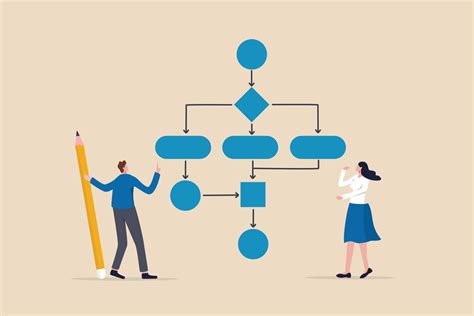
- Change Log Creation: For each significant game update, create an internal “patch log” detailing all relevant changes that impact your guides. Categorize changes by game system (e.g., character abilities, item stats, quest lines).
- Impact Assessment: Systematically review your guides against the patch log. Identify which specific sections, strategies, or data points are affected. Prioritize updates based on the significance of the change (e.g., game-breaking bugs vs. minor numerical tweaks).
- Version Control: Implement a system to track different versions of your guides. This could be as simple as labeling a guide “Patch X.Y Version” or using more sophisticated content management systems (CMS) with built-in versioning.
- Drafting and Review: Update the affected sections. If working in a team, assign specific guide sections or games to individuals. Establish a peer review process to catch errors and ensure clarity.
- Publication and Announcement: Publish the updated guide and clearly communicate the changes to your audience. Highlight what has been revised and for which patch version.
Leveraging Tools and Technology
Technology can significantly streamline the update process.
- Content Management Systems (CMS): Use a CMS that supports collaborative editing, version history, and easy content segmentation. This makes it simpler to locate and modify specific paragraphs or data tables.
- Dedicated Databases: For games with extensive data (items, spells, quests), maintaining an external database that feeds into your guides can be invaluable. Updating one central database automatically propagates changes across multiple guides.
- Alerts and Notifications: Set up RSS feeds, Google Alerts, or custom scripts to notify you of new posts on official dev blogs or specific forum sections.
- Collaboration Tools: For teams, tools like Slack, Trello, or dedicated project management software can help coordinate efforts, track progress, and facilitate communication regarding updates.

Community Engagement and Feedback
Your audience can be your most valuable asset in identifying outdated information.
- Open Feedback Channels: Provide clear ways for users to report errors or suggest updates, such as comment sections, dedicated forum threads, or contact forms.
- Credit Contributors: Acknowledge and credit users who provide valuable feedback that leads to significant corrections or improvements. This encourages further engagement.
- Direct Interaction: Engage directly with players in comments or forums. Sometimes a quick clarification is all that’s needed, or a player can point out a nuanced change you might have missed.
Prioritization and Archiving Old Information
Not all changes are created equal, and not all old information needs to be purged immediately.
- Prioritize Impact: Focus on updates that drastically alter gameplay, character viability, progression paths, or core mechanics. Minor numerical tweaks to obscure items can often wait.
- Phased Updates: For large patches, consider releasing “Phase 1” updates for critical changes, followed by “Phase 2” for more detailed refinements.
- Archiving: Instead of deleting outdated content entirely, consider archiving it. Clearly label archived guides with the patch version they apply to. This preserves historical context and can be useful for players returning to older versions of a game, or for understanding game evolution.
Conclusion
Keeping gaming guides updated is an ongoing commitment that demands diligence, organization, and adaptability. By implementing proactive monitoring strategies, establishing clear workflows, leveraging appropriate technologies, and actively engaging with the community, guide creators can ensure their content remains a trusted and invaluable resource for players navigating the ever-evolving landscapes of their favorite games.