What’s the best structure for game guides to ensure players quickly find specific solutions or boss tips?

Crafting Navigable Game Guides for Instant Player Support
In the fast-paced world of gaming, players often turn to guides not for a full story walkthrough, but for immediate answers to specific challenges. Whether stuck on a tricky boss, baffled by a puzzle, or searching for a hidden collectible, the ability to quickly find precise information is paramount. A well-structured game guide transforms from a mere document into an indispensable tool, significantly enhancing the player experience by minimizing frustration and maximizing enjoyment. The key lies in intuitive design, modular content, and clear signposting.
The Foundational Pillars: Accessibility and Quick Navigation
The first step in building an effective game guide is to prioritize accessibility. This means making sure players can access the information they need with minimal clicks or scrolling.
Comprehensive and Interactive Table of Contents
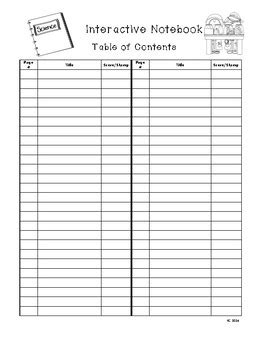
Every robust game guide should feature an interactive table of contents (TOC) at the very beginning. This TOC should be granular, breaking down the game into major chapters, quests, areas, and even specific boss encounters or puzzle names. Hyperlinking each entry allows players to jump directly to the relevant section. For longer guides, a floating or collapsible TOC that remains accessible as the user scrolls is highly beneficial.
Powerful Search Functionality
Beyond the TOC, an integrated search bar is critical. Players often know exactly what they’re looking for (e.g., “how to beat <Boss Name>” or “location of <Item Name>”). An effective search function, ideally with autocomplete suggestions, can cut down search time significantly.
Modular Content for Specific Solutions
The core of a fast-finding guide is its ability to segment information into easily digestible and contextually relevant blocks. Avoid large walls of text; instead, use clear headings and distinct sections.
Clear, Descriptive Headings and Subheadings
Utilize H2, H3, and H4 tags effectively. H2s can denote major game chapters or zones, while H3s can cover specific quests, puzzles, or boss fights within those zones. Headings should be explicit: “Chapter 3: The Sunken City” is good; “The Swamp Boss: Kragnar” is even better, clearly indicating content. Use bold text for key terms and summaries within paragraphs.
Dedicated “Quick Solution” or “Spoiler-Free” Sections
Many players just need a hint or a quick answer without spoiling the whole experience. Consider adding a small, dedicated section at the beginning of complex puzzles or boss fights that offers a concise, spoiler-free tip before diving into the detailed walkthrough. This allows players to get just enough information to get unstuck.
Specialized Sections for Common Pain Points
Certain elements consistently challenge players, and guides should cater to these directly.
Boss Battle Breakdowns
Boss guides should be structured methodically:
- Overview: Boss name, location, brief difficulty rating.
- Phases: Clearly delineate each phase of the fight, detailing changes in attack patterns or vulnerabilities.
- Attacks & Abilities: List and describe each significant attack, including tells and counter-strategies.
- Weaknesses & Resistances: Identify specific damage types, elemental weaknesses, or status effects that are effective.
- Recommended Gear/Builds: Suggest optimal equipment, spells, or character builds.
- Strategy: A step-by-step tactical approach for defeating the boss, broken down by phase.

Puzzle and Quest Walkthroughs
For puzzles and quests, a step-by-step format is essential. Each step should be clearly numbered and include:
- Objective: What needs to be done.
- Location: Where to go.
- Actions: Specific inputs or interactions required.
- Visual Aids: (Conceptual) Reference to screenshots or mini-maps showing exact locations or solutions.
Collectible Checklists and Locations
When dealing with collectibles, present the information in an organized list or table. Include:
- Name of Collectible:
- Location: Specific area, landmark, or map coordinates.
- Description/Hint: How to find it, any prerequisites.
- Visual Reference: (Conceptual) A small image or map screenshot showing its exact spot.
Consistency and Visual Cues
Uniformity in presentation greatly aids readability and quick information retrieval.
Standardized Formatting
Use consistent styling for headings, lists, warnings, and tips throughout the entire guide. A distinct color or icon for “critical warning” or “pro tip” sections can immediately draw the player’s eye to crucial advice.
Effective Use of Visual Aids
While this article uses anchor points, actual game guides should liberally employ screenshots, mini-maps with marked locations, flowcharts for complex decision paths, and GIFs or short videos for tricky mechanics. These visual cues can often convey information faster and more clearly than text alone.
Conclusion: A Player-Centric Approach
The most effective game guides are designed with the player’s immediate needs in mind. By implementing a highly navigable structure—featuring a detailed table of contents, powerful search, clear headings, and specialized sections for common challenges like boss fights and puzzles—authors can ensure that players spend less time searching and more time enjoying their games. Consistency in formatting and strategic use of visual aids further solidify a guide’s utility, transforming it into an indispensable companion for any gaming journey.