What’s the best way to notify gamers of critical game updates without alert fatigue?

For game developers, notifying players about critical updates is a tightrope walk. On one hand, players need to know about essential bug fixes, balance changes, and new content to ensure a smooth and engaging experience. On the other, bombarding them with too many alerts can lead to “alert fatigue,” where players start ignoring all notifications, missing even the truly important ones. The challenge lies in finding the sweet spot: impactful communication without overwhelming the community.
The Double-Edged Sword of Notifications
Game updates are the lifeblood of ongoing titles. They address technical issues, plug security vulnerabilities, introduce exciting new features, and refine gameplay based on player feedback. Without effective communication, these vital improvements might go unnoticed, leading to frustration, confusion, or a perceived lack of developer engagement. However, the modern gamer’s digital life is already saturated with pings and pop-ups. Every app, every service, vies for their attention. Add a game’s constant stream of minor patch notes or promotional messages, and players quickly become desensitized. The critical update, then, gets lost in the noise, leading to the very problem developers are trying to avoid.
Understanding Your Audience: Segmentation is Key
Not all gamers are created equal, nor do they consume information in the same way. A hardcore competitive player might want instant alerts for balance changes that impact their meta, while a casual player might only care about major content drops or severe bug fixes. Segmenting your player base (e.g., by play frequency, total playtime, or engagement with specific game modes) allows for more targeted and relevant notification strategies. Instead of a one-size-fits-all approach, developers can tailor the message and delivery method to specific groups, ensuring higher relevance and reducing unwanted noise.

Multi-Channel, Targeted Communication
Relying on a single notification channel is often insufficient or overly intrusive. A strategic multi-channel approach ensures that critical information reaches the right players through their preferred medium, at the right time. Here are some effective channels:
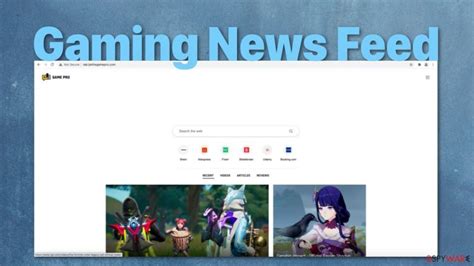
- In-Game Announcements: For truly critical, immediate updates (e.g., server downtime, emergency hotfixes), a brief, non-intrusive pop-up or a message on the login screen is highly effective. A dedicated in-game news feed or bulletin board allows players to actively seek out information at their leisure, without being interrupted.
- Launcher/Platform Notifications: For games distributed via platforms like Steam, Epic Games Store, or console marketplaces, utilizing their built-in notification systems can be effective. These are often less intrusive than in-game pop-ups and provide a clear path to patch notes.
- Email Campaigns: For significant updates, expansions, or security alerts, email remains a powerful tool, especially for players who have opted in. This allows for more detailed explanations without disrupting gameplay.
- Social Media & Community Forums: These channels are excellent for engaging the most active members of your community. Here, developers can post comprehensive patch notes, engage in discussions, and quickly disseminate information about upcoming changes or issues. It’s a pull-based system, where players actively seek the information.
- Push Notifications (Mobile): Use with extreme caution and only for the most urgent mobile game updates or time-sensitive events. Overuse will lead to players disabling them entirely.

Crafting Effective Messages
The content of the notification is as important as its delivery. Messages must be:
- Clear and Concise: Immediately convey the “what” and “why.” What is the update, and why is it important to the player? Avoid jargon where possible.
- Prioritized: If an update includes both critical bug fixes and minor cosmetic changes, highlight the critical elements upfront. Use headlines and bullet points to make information digestible.
- Actionable: Does the player need to do anything? “Update required,” “Servers offline for maintenance,” “New quest available.”
- Linked to More Detail: Always provide a link to comprehensive patch notes or a developer blog post for players who want to dive deeper.

Timing and Frequency: The Goldilocks Zone
The “just right” amount of notifications is crucial. Non-critical updates should ideally be bundled and released less frequently. Major updates might warrant more fanfare. Announce scheduled maintenance windows well in advance, giving players time to plan. Crucially, empower players to customize their notification preferences where possible. Allowing them to opt-in or opt-out of certain types of alerts (e.g., only critical, or all news) significantly reduces fatigue and increases the perceived value of the notifications they do receive.

Leveraging Community Feedback and A/B Testing
The best way to refine your notification strategy is to listen to your community. Conduct surveys, monitor forums, and observe player behavior. Are players complaining about too many notifications? Are they missing critical information? A/B test different notification methods, timings, and message formats to see what resonates most effectively with your player base. This iterative process ensures that your communication strategy evolves alongside your game and its community.
Conclusion
Notifying gamers of critical updates without inducing alert fatigue requires a strategic, player-centric approach. By segmenting your audience, utilizing a multi-channel communication strategy, crafting clear and concise messages, optimizing timing and frequency, and continuously seeking player feedback, developers can ensure that vital information is effectively delivered and genuinely valued. The goal isn’t just to inform, but to inform intelligently, fostering a more engaged and satisfied player community.