What’s the most effective way to cross-reference game news updates with relevant guides?

In the fast-paced world of gaming, staying informed is crucial. New patches, expansions, balance changes, and event announcements are constant, and understanding how these updates impact your gameplay often requires consulting relevant guides. The challenge lies in efficiently connecting the dots between a recent news update and the specific strategies, builds, or mechanics it affects. Without an effective cross-referencing system, players risk being ill-informed, using outdated tactics, or wasting time sifting through mountains of information.
The Challenge of Information Overload
Modern video games are complex ecosystems. Developers release frequent updates, sometimes daily, encompassing everything from minor bug fixes to major content overhauls. Each update can potentially invalidate existing guides or create new optimal strategies. For players invested in competitive play, progression, or simply maximizing their enjoyment, keeping up can feel like a full-time job. The sheer volume of news from official sources, fan sites, and community discussions often overwhelms players, making it difficult to pinpoint exactly which guide needs a refresh or where new information applies.

Essential Strategies for Effective Cross-Referencing
To navigate this informational deluge, a structured approach is key. Several strategies can help players efficiently link news to the guides that matter most.
Leverage Dedicated Gaming Platforms and Communities
One of the most powerful tools for cross-referencing is the collective knowledge of dedicated gaming communities. Platforms like Reddit, Discord servers, and official game forums often have enthusiastic members who actively discuss new updates and their implications. Many community-driven wikis and fan sites are quick to update guides following significant patches. Subscribing to relevant subreddits or Discord channels for your favorite games often means discussions linking news updates directly to guide revisions are readily available. These platforms often serve as the first line of defense against outdated information, with seasoned players and content creators frequently posting analyses of patch notes alongside updated builds or strategies.
Utilize News Aggregators and RSS Feeds
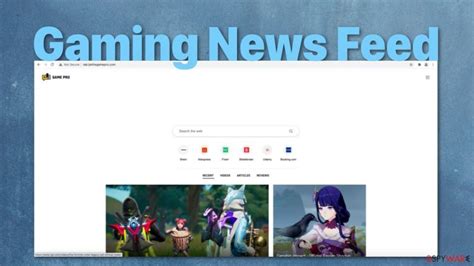
For more personalized and proactive information gathering, news aggregators and RSS feeds are invaluable. Services like Feedly or even custom Google Alerts can track official developer blogs, major gaming news sites, and popular content creators for specific keywords related to your games. By centralizing these information streams, you can quickly scan for relevant updates and then, if necessary, follow links to detailed patch notes or community discussions that might point to updated guides. Setting up specific filters ensures you only receive notifications for the games and topics you care about most, cutting down on noise.

Master In-Game Resources and Official Channels
Never underestimate the power of official sources. Developers often include extensive patch notes within the game client or on their official websites, sometimes even linking directly to developer diaries or updated knowledge base articles that serve as mini-guides. Some games feature in-game codexes, tooltips, or encyclopedias that automatically update with new content or balance changes. Regularly checking these official channels can provide the most accurate and up-to-date information, often reducing the need for external cross-referencing by providing the context directly.
Tools and Techniques for Seamless Integration
Beyond strategies, specific tools can streamline the process of linking news to guides.
Browser Extensions and Bookmarking Systems
Browser extensions tailored to specific games (e.g., wiki overlays, quick search functions) can dramatically speed up the process of finding relevant guide sections when reading patch notes. Robust bookmarking systems, organized by game and topic, allow you to quickly jump to your most-used guides. Consider using a dedicated browser profile or folder structure for each game’s important resources.
Personal Knowledge Management (PKM) Systems
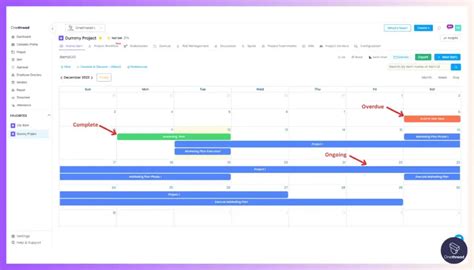
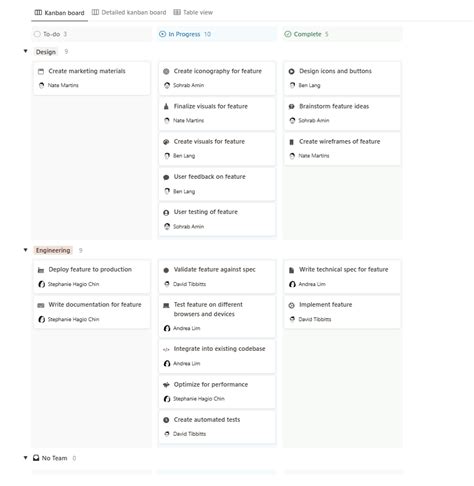
For highly dedicated players, a Personal Knowledge Management (PKM) system like Notion, Obsidian, or even a well-structured Google Doc can be transformative. You can create a central dashboard for each game, linking directly to official news sources, community guides, and even your own personal notes on how updates affect your playstyle. This allows for bespoke cross-referencing, where you can tag news items with relevant guide sections or create internal links between your notes and external resources.
Best Practices for Staying Ahead
Even with the best tools and strategies, consistency is key:
- Regular Check-ins: Dedicate specific times to review news feeds and community discussions for your priority games.
- Prioritize Information: Not every update requires a deep dive. Focus on changes that directly impact your primary game modes, characters, or strategies.
- Contribute and Engage: Actively participating in communities not only helps you stay informed but also allows you to ask targeted questions and get real-time feedback on how updates affect guides.
- Verify Sources: Always cross-check information from unofficial sources with official announcements or well-regarded community experts to ensure accuracy.

Ultimately, the most effective way to cross-reference game news updates with relevant guides is a personalized combination of proactive information gathering, leveraging community intelligence, and utilizing smart organizational tools. By adopting a systematic approach, players can save time, improve their understanding of game mechanics, and maintain a competitive edge in ever-evolving virtual worlds.