What’s the most effective way to highlight missable collectibles in game guides?
Players often embark on collectible hunts to achieve 100% completion, unlock secret content, or simply enjoy exploring every nook and cranny a game offers. However, the bane of any completionist is the “missable” collectible – an item that, once passed, cannot be retrieved without restarting a significant portion of the game or even a new playthrough. For game guide writers, the challenge lies in effectively highlighting these crucial items without overwhelming the reader or spoiling the experience. This article explores the most effective strategies to ensure players never miss out on those elusive treasures.
Understanding the “Missable” Threat
Missable collectibles aren’t just frustrating; they can diminish a player’s enjoyment and trust in a guide. A well-crafted guide anticipates these pain points, providing timely and unmistakable alerts. The goal is to empower players to make informed decisions: either grab the item now or acknowledge they’re passing it up for a later playthrough. The effectiveness of a guide is often measured by its ability to prevent such irreversible mistakes.
Strategic Placement and Prominence
The “when” and “how” of highlighting are paramount.
Timely Warnings
The most critical rule is to warn players before they reach a point of no return. This could be at the beginning of a chapter that has missable items, right before a boss fight that locks off an area, or prior to accepting a quest that changes the game world irreversibly. Use clear, concise language.
Visual Overload Prevention
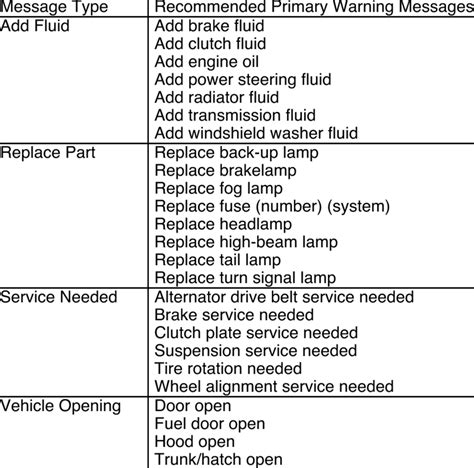
While prominence is key, avoid making the entire guide a giant red warning. Instead, use consistent, easily recognizable formatting. Bold, colored text (e.g., a specific shade of yellow or red for warnings), distinct icons (a skull, an exclamation mark), or dedicated warning boxes are highly effective. The key is consistency across the entire guide.
Contextual Integration
Missable collectibles should be highlighted within the natural flow of the walkthrough, not just dumped in a separate list at the end of the game. When a player is actively progressing through an area, the warning for a collectible in that area is most impactful. Provide step-by-step instructions for acquiring it, immediately following the warning. This minimizes backtracking and ensures the player doesn’t have to jump between sections.
Precision in Description and Location
Vague descriptions are the enemy of collectible hunting.
Exact Location Details
Beyond just saying “in the cave,” specify “on a ledge above the second waterfall in the Whispering Cave, accessible after defeating the Grungle Beast.” Include landmarks, unique environmental features, and even compass directions if applicable.
Visual Aids and Mapping
For complex areas, textual descriptions can only go so far. Integrate mini-maps with marked locations, screenshots, or even short video clips (if the guide format supports it). For web-based guides, interactive maps are invaluable, allowing players to filter by collectible type and see precise locations.
Supplemental Resources and Checklists
Even with excellent in-flow highlighting, players appreciate aggregated information.
Dedicated Collectible Sections
Consider adding a dedicated section or page that lists all missable collectibles, chapter by chapter, with direct links back to the relevant walkthrough section. This serves as a quick reference for players who might be backtracking or checking progress.
Completion Checklists
An interactive checklist, perhaps tied to a user account, can greatly enhance the utility of an online guide. Players can mark off items as they find them, easily identifying what they’ve missed.
Conclusion
Effectively highlighting missable collectibles transforms a good game guide into an essential companion. By employing timely and prominent warnings, clear visual cues, precise location details, and integrated supplemental resources, guide writers can significantly enhance the player experience. The ultimate goal is to remove the frustration of missed opportunities, allowing players to fully immerse themselves in the game world and achieve their desired completion goals with confidence and ease. A guide that saves a player from restarting a 20-hour playthrough is not just a guide; it’s a hero.