What’s the most efficient way to keep detailed gaming guides updated post-patch/DLC?

Navigating the Ever-Evolving Game World
In the dynamic realm of video games, patches, expansions, and DLCs are a constant. While these updates breathe new life into titles, they pose a significant challenge for creators of detailed gaming guides: how to keep them accurate and relevant. A guide that’s even slightly outdated can quickly lose credibility, leaving players frustrated and seeking alternative resources. The efficiency of your update process directly impacts your guide’s longevity and utility.
The Importance of Up-to-Date Guides
Beyond simply providing correct information, current guides build trust with your audience. Players rely on your expertise to navigate complex mechanics, discover hidden secrets, and optimize their gameplay. An outdated guide, even with minor inaccuracies, can lead to confusion, wasted effort, and a damaged reputation. In a competitive content landscape, staying current is not just good practice; it’s essential for maintaining authority and engagement. Furthermore, search engines favor fresh, accurate content, making timely updates critical for visibility.

Key Strategies for Efficient Updates
Achieving efficiency in guide maintenance requires a multi-faceted approach, integrating smart content architecture with proactive monitoring and community involvement.
1. Modular Content Design
One of the most effective strategies is to design your guides with modularity in mind. Instead of writing monolithic blocks of text, break down information into smaller, self-contained sections. For example, instead of a single ‘Character Abilities’ chapter, have individual sections for each ability, or even sub-sections for specific ability ranks or modifications. When a patch changes only one ability, you only need to update that specific module, rather than rewriting a larger section of the guide.
- Sectioning: Divide guides into easily digestible and isolatable units (e.g., specific quests, gear pieces, skill trees).
- Referential Links: Use internal links to connect related modules, minimizing repetition and centralizing core information.
- Data-Driven Tables/Lists: Present numerical data (stats, damage values, cooldowns) in tables that are easy to scan and update.
2. Version Control and Change Tracking
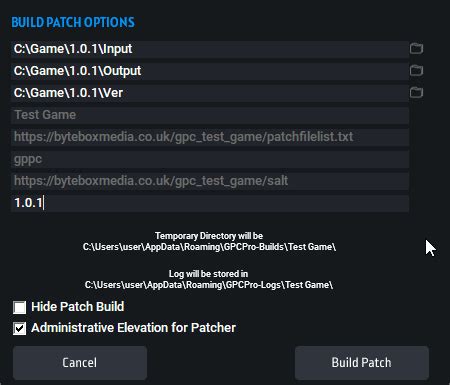
Implementing a robust version control system is crucial, similar to software development. While not always practical for every guide, content management systems (CMS) often offer revision history features. For more advanced setups, dedicated version control tools can track changes, allowing you to quickly identify what was altered and revert if necessary.
- CMS Revision History: Utilize built-in features to compare past versions of your content.
- Dedicated Diff Tools: For text-heavy guides, tools that highlight changes between two versions can accelerate review.
- Change Logs: Maintain an internal log of updates made to the guide, referencing specific patch notes.
![What is Version Control System (VCS) Examples List? [2024]](/images/aHR0cHM6Ly90czEubW0uYmluZy5uZXQvdGg/aWQ9T0lQLlVYOG9rZjV6T2VyNnFtck9LTUFrTFFIYUVLJnBpZD0xNS4x.webp)
3. Leverage Community Feedback
Your audience is often the first to notice changes. Establishing channels for community feedback can provide invaluable real-time insights into what needs updating. This could be through comments sections, dedicated forum threads, Discord servers, or social media.
- Active Engagement: Encourage readers to report discrepancies or missing information.
- Dedicated Reporting: Create a simple form or email address specifically for patch-related feedback.
- Moderation: Have a system in place to review and verify community-submitted information before incorporating it.

4. Proactive Monitoring and Scheduling
Waiting for a patch to drop before starting your update process is reactive. A more efficient approach is to be proactive. Monitor developer announcements, public test realms (PTRs), and community discussions for upcoming changes. Schedule dedicated ‘update windows’ shortly after major patches or DLCs are released.
- Developer Feeds: Subscribe to official news, patch notes, and dev blogs.
- PTR/Beta Participation: Gain early access to changes and begin preliminary updates.
- Update Schedule: Allocate specific time slots immediately following known update releases for dedicated review and revision.
5. Prioritization and Triage
Not all changes are equally impactful. When a new patch hits, quickly assess what information has been affected and prioritize updates based on their criticality and user impact. Gameplay-altering mechanics, balance changes for core abilities, or new quest lines should take precedence over minor cosmetic changes or slight numerical adjustments that have little bearing on strategy.
Tools and Technologies to Aid the Process
- Content Management Systems (CMS): Platforms like WordPress, MediaWiki, or custom CMS solutions offer organization, revision history, and user roles.
- Spreadsheets/Databases: For highly data-driven guides (e.g., item lists, build planners), a backend spreadsheet or database can centralize data, making global changes simpler.
- Collaboration Tools: Google Docs, Notion, or Trello can help teams coordinate updates, track progress, and assign tasks.
- Notification Services: Tools that monitor specific websites or RSS feeds can alert you to new patch notes.
Conclusion
Keeping detailed gaming guides updated post-patch or DLC is an ongoing commitment, but with strategic planning, it doesn’t have to be an overwhelming one. By embracing modular content design, utilizing version control, actively engaging with your community, and maintaining a proactive update schedule, guide creators can ensure their content remains a reliable and valuable resource for gamers worldwide. Efficiency in this process isn’t just about saving time; it’s about preserving credibility, fostering a loyal audience, and continuing to be an indispensable voice in the gaming community.