What’s the most efficient way to maintain gaming guide accuracy after game patches/DLC?

The Ever-Evolving Challenge of Guide Accuracy
Maintaining the accuracy of gaming guides is an ongoing battle in an industry defined by constant evolution. With developers regularly releasing patches, hotfixes, and expansive DLCs, even the most meticulously crafted walkthrough can quickly become outdated. For guide creators, the question isn’t just about initial accuracy, but about building sustainable systems to ensure their content remains relevant and helpful long after launch. This article delves into efficient strategies and tools to keep your gaming guides pristine amidst the relentless tide of updates.

Proactive Strategies for Staying Ahead
1. Vigilant Monitoring of Official Channels
The first line of defense is a proactive approach to information gathering. Regularly tracking official patch notes, developer blogs, social media announcements, and public test realms (PTRs/STBs) provides invaluable foresight into upcoming changes. Subscribing to newsletters and RSS feeds from game developers can streamline this process, allowing you to anticipate necessary guide revisions before they even go live.
2. Leveraging Community Feedback
Your guide users are often your best beta testers for accuracy. Establish clear channels for feedback, whether through comments sections, dedicated forums, or Discord servers. Encourage readers to report outdated information or discrepancies. While not all feedback will be accurate, it often highlights areas requiring immediate attention and can pinpoint subtle changes easily missed by official announcements.

Tools and Workflows for Efficient Updates
1. Robust Content Management Systems (CMS)
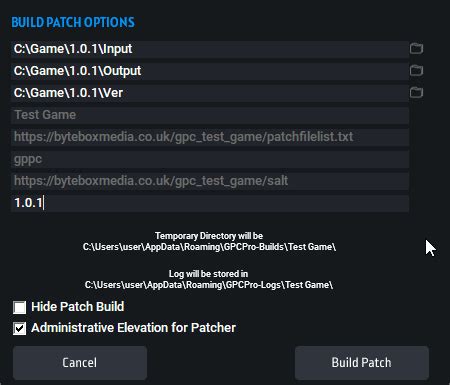
A well-structured CMS is crucial. Look for platforms that support version control, allowing you to track changes, revert if necessary, and see exactly what was altered between guide versions. Features like collaborative editing, task assignment, and a clear publishing workflow can significantly reduce friction for teams managing multiple guides.
2. Templating and Modular Content
Design guides with modularity in mind. Instead of writing monolithic blocks of text, break down content into reusable sections or templates (e.g., character builds, item stats, quest steps). When a change occurs, you only need to update the specific module or template, propagating the correction across all relevant guides automatically or with minimal effort.
Addressing Different Types of Updates
1. Minor Patches and Hotfixes
These often involve small numerical tweaks, bug fixes, or minor balance adjustments. Focus on updating specific stats, item descriptions, or ability values. A quick scan of patch notes usually suffices to identify these targeted changes.
2. Major Patches and Expansions (DLC)
Major updates introduce significant new content, mechanics, zones, or overhaul existing systems. These require a more comprehensive review. New sections for DLC-specific content will need to be created, and existing sections (e.g., build guides, progression paths) may need substantial revisions to account for new meta shifts or mechanics.

Maximizing Efficiency and Prioritization
1. Prioritize High-Impact Information
Not all guide sections are equally critical. Focus your update efforts on high-impact information first: core mechanics, optimal strategies, build components, and quest progression that might brick a player’s progress. Cosmetic changes or minor lore details can often wait.
2. Evergreen vs. Volatile Content
Identify which parts of your guide are “evergreen” (unlikely to change) and which are “volatile” (frequently updated). Dedicate more resources to monitoring and maintaining volatile sections, while evergreen content can undergo less frequent, periodic reviews.
Conclusion
Maintaining gaming guide accuracy in an ever-evolving gaming landscape is a continuous commitment, not a one-time task. By combining proactive information gathering, leveraging community insight, utilizing robust content management systems, and adopting a strategic approach to prioritization, guide creators can significantly reduce the burden of updates and ensure their content remains a trusted resource for gamers worldwide. The key lies in establishing efficient workflows and adapting quickly to change, turning potential guide decay into an opportunity for consistent excellence.