



Which gaming monitor refresh rate (144Hz vs 240Hz) is best for competitive FPS?
In the high-stakes world of competitive First-Person Shooters (FPS), every millisecond counts. Gamers constantly seek an edge, and their monitor’s refresh rate is a critical factor often debated. The choice between a 144Hz and a 240Hz gaming monitor can seem daunting, with both promising smoother gameplay. But which one genuinely delivers the optimal experience for serious competitive players?
Understanding Refresh Rate
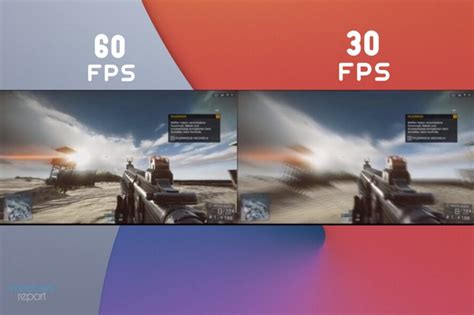
Refresh rate, measured in Hertz (Hz), refers to the number of times per second your monitor can redraw an image. A higher refresh rate means the display updates more frequently, resulting in smoother motion and less perceived input lag. For fast-paced games like Valorant, CS:GO, Overwatch, or Apex Legends, a higher refresh rate allows players to see enemy movements earlier and react quicker, providing a distinct advantage.

The Case for 144Hz
For many years, 144Hz has been the gold standard for competitive gaming. It offers a significant upgrade over standard 60Hz monitors, providing a noticeable increase in fluidity and responsiveness. This refresh rate strikes an excellent balance between performance and affordability, making it accessible to a broader range of gamers.
- Smoothness: A drastic improvement over 60Hz, allowing for much clearer motion.
- Affordability: Generally more budget-friendly than 240Hz monitors.
- Hardware Requirements: Easier for mid-range PCs to consistently hit 144 frames per second (FPS) in demanding titles, which is crucial to fully utilize the monitor’s refresh rate.
The Edge of 240Hz
Stepping up to 240Hz takes visual fluidity to the next level. These monitors update frames almost twice as fast as their 144Hz counterparts, theoretically offering an even smoother and more responsive experience. Professional eSports players often opt for 240Hz or even 360Hz displays to gain every possible advantage.
- Maximum Smoothness: Provides the absolute smoothest visual experience currently available for many, reducing motion blur to an absolute minimum.
- Reduced Input Lag: While the primary benefit is visual, the quicker refresh cycle can also contribute to a fractional reduction in overall system latency.
- Competitive Advantage: For elite players, this can translate to a barely perceptible, but potentially game-changing, advantage in reaction time and target tracking.
Is the Difference Noticeable?
This is where the debate often heats up. The jump from 60Hz to 144Hz is almost universally considered transformative. However, the leap from 144Hz to 240Hz is more subtle. Many gamers, especially those new to high refresh rates, might not immediately perceive a drastic difference. For highly trained competitive players with acute visual perception, the improved clarity and reduced motion blur at 240Hz can be discernible and beneficial, particularly during rapid mouse movements and enemy tracking.
It’s important to remember that your PC must be able to consistently push frames at or above the monitor’s refresh rate to fully leverage it. A 240Hz monitor will be wasted if your graphics card can only output 150 FPS.
Beyond Refresh Rate: Other Critical Factors
While refresh rate is vital, it’s not the only factor for competitive FPS monitors. Don’t overlook these specifications:
- Response Time: A low response time (ideally 1ms GTG – Grey-to-Grey) is crucial to minimize ghosting and motion blur.
- Panel Type: TN panels historically offered the fastest response times, making them popular for competitive gaming, though IPS panels have made significant strides and now offer excellent speeds with better color accuracy and viewing angles.
- Resolution: For competitive FPS, 1080p is often preferred over 1440p or 4K, as it’s easier for GPUs to hit very high frame rates, and the focus is on performance, not graphical fidelity.
- G-Sync/FreeSync: Adaptive sync technologies help eliminate screen tearing and stuttering, though they can introduce a tiny amount of input lag at very low frame rates.
Conclusion: Making Your Choice
For most competitive FPS players, a 144Hz monitor offers an excellent balance of performance, visual fluidity, and cost-effectiveness. It provides a substantial upgrade over standard monitors and is more forgiving on your PC hardware. If you’re on a budget or have a mid-range gaming rig, 144Hz is undoubtedly the best choice.
However, if you are a truly elite competitive player, aspire to reach the highest ranks, or simply want to squeeze every ounce of performance out of your high-end gaming PC, a 240Hz monitor is worth considering. Be prepared to invest in powerful hardware to consistently maintain very high frame rates, and understand that the improvement over 144Hz, while present, is less dramatic than the jump from 60Hz to 144Hz.
Ultimately, the “best” refresh rate depends on your budget, your existing PC hardware, and your personal sensitivity to motion smoothness. Both 144Hz and 240Hz monitors offer a significant competitive edge over standard displays, ensuring you’re well-equipped for the battlefield.