





How do gaming reviews effectively account for post-launch game updates?

The landscape of video games has dramatically shifted over the past decade. What was once a largely static product at launch has transformed into a dynamic, ever-evolving experience, thanks to the prevalence of post-launch updates, patches, and expansions. This evolution presents a unique challenge for gaming reviews: how can a single review remain relevant and accurate when the game it assesses is a moving target?
The Evolving Nature of Game Releases
Gone are the days when a game was truly “finished” upon its initial release. Today, many titles, especially those with online components or “live service” ambitions, are viewed as platforms that will continue to grow and change. Day-one patches are now standard, addressing critical bugs or even adding features. Beyond that, developers often release significant content updates, balance adjustments, and performance improvements months, or even years, after a game hits the market. This ongoing development profoundly impacts the player experience, potentially turning a mediocre launch into a must-play title, or vice versa.

Challenges for Traditional Review Models
Traditional review models, typically published around a game’s launch, struggle to capture this fluidity. A review written based on a pre-release build or day-one patch might quickly become outdated if major issues are fixed, new content is added, or fundamental game mechanics are altered. Reviewers often face embargo deadlines that necessitate evaluating a game before its most stable or content-rich state, leading to initial scores and impressions that might not reflect the long-term reality.
The core dilemma lies in balancing timely information for launch-day consumers with the need for a comprehensive assessment that accounts for a game’s full lifecycle. How do critics ensure their work remains a valuable resource without perpetually re-reviewing every title?
Adaptive Strategies in Gaming Journalism
Gaming publications and individual critics have adopted several strategies to address the challenge of post-launch updates:
Update Addendums and Score Revisions
One common approach is to append an “update addendum” to the original review. These sections detail significant changes, offer new impressions, and sometimes even adjust the original score. This method provides transparency, showing readers how the game has evolved since its initial assessment. Some outlets opt for a full “re-review” for major overhauls, publishing a completely new article with an updated score that reflects the current state of the game.

Living Reviews and Continuous Coverage
A more dynamic approach involves “living reviews,” where the review text itself is periodically updated, often with clear timestamps indicating when modifications were made. This is particularly effective for ongoing live-service games. Additionally, many publications produce separate follow-up articles, news pieces, or video analyses dedicated specifically to significant post-launch updates. This allows them to delve into the specifics of new content, balance changes, or technical improvements without altering the core launch review.

Focusing on Core Mechanics and Long-Term Potential
Some reviewers attempt to future-proof their initial assessments by focusing heavily on a game’s fundamental design, artistic vision, and core mechanics—elements less likely to undergo radical transformation. While bugs and performance can be patched, a game’s underlying creative direction often remains consistent. By emphasizing these foundational aspects, reviews can offer insights that remain relevant even as technical issues are ironed out or new content is introduced. However, this strategy carries the risk of understating the impact of critical launch issues.
Best Practices for Effective Post-Launch Reviewing
To truly account for post-launch updates, reviewers should strive for:
- Transparency: Clearly state the version of the game reviewed and the date of the review or any subsequent updates.
- Dedicated Follow-Ups: Commit to revisiting significant games through dedicated articles, videos, or podcast segments when major patches or expansions drop.
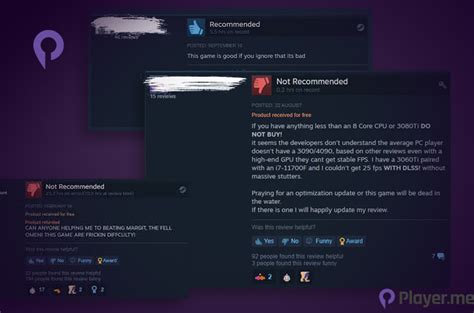
- Community Feedback Integration: Acknowledge and, where appropriate, integrate community sentiment regarding updates, as player experience is paramount.
- Segmented Analysis: Separate initial technical performance and launch stability from the long-term content and design quality, allowing for more nuanced evaluations.
The Future of Game Reviews
As games continue their journey as evolving platforms, review methodologies must adapt further. The concept of a single, definitive “review” may give way to a more continuous stream of content: initial impressions, deep dives into specific patches, and season-by-season evaluations. This shift demands more resources from publications but ultimately provides consumers with a more accurate, up-to-date, and valuable understanding of the games they play or are considering purchasing.
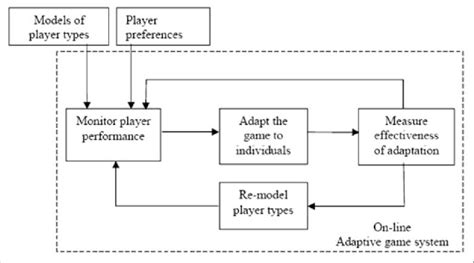
Effectively accounting for post-launch updates is no longer an optional add-on but a fundamental requirement for credible gaming journalism. By embracing adaptive strategies and maintaining transparency, reviewers can continue to serve as essential guides in the dynamic world of video games.



