





How do gaming reviews maintain relevance post-launch updates?
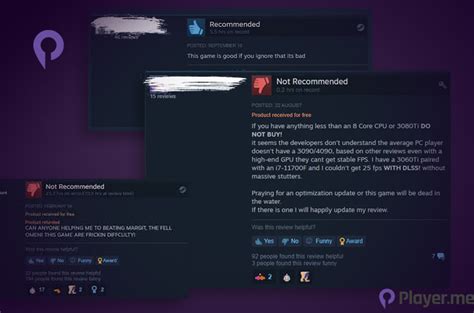
The gaming landscape has undergone a seismic shift from discrete, static releases to dynamic, ever-evolving experiences. What once began as a finished product, reviewed and largely settled, now often launches as a foundation for years of updates, expansions, and overhauls. This presents a unique dilemma for game reviewers: how does one create a relevant and lasting assessment when the game itself is a moving target?
The Challenge of the Evolving Game
Gone are the days when a review published on launch day served as the definitive word for the game’s entire lifecycle. Modern games, especially those with online components, competitive multiplayer, or vast open worlds, are frequently updated with new content, balance changes, bug fixes, and even fundamental mechanic alterations. A game that launched in a broken state might become exemplary a year later, while a critically acclaimed title could falter under poor post-launch support. Traditional reviews, often a snapshot in time, struggle to reflect these ongoing transformations.

Strategies for Sustained Relevance
To navigate this fluid environment, game journalism has adopted several strategies to ensure reviews remain valuable tools for players:
1. The “Living Review” or Review-in-Progress
One increasingly common approach is the “living review.” Instead of a single, final score and article, some outlets publish an initial review and explicitly state it’s a work in progress. This allows reviewers to update their assessments, add new sections, and even adjust scores as major patches or content drops are released. This method provides ongoing insights but requires significant commitment from the reviewing entity.
2. Dedicated Post-Launch Update Coverage
For games that receive substantial post-launch support, many publications opt for separate articles specifically detailing major updates. These might take the form of “Re-reviews,” “What’s Changed?” pieces, or comprehensive patch analyses. This allows the original review to stand as a historical record of the launch state, while subsequent articles inform players about the game’s current iteration.

3. Focusing on Foundational Elements
Even with continuous updates, certain core aspects of a game often remain consistent: the fundamental art style, the underlying narrative premise, the initial control scheme, and the core gameplay loop (even if balanced). Reviewers can emphasize these foundational elements that are less likely to change drastically, providing insights that remain relevant regardless of future patches. This helps distinguish what’s core to the experience versus what’s transient content.
4. Incorporating Long-Term Player Perspective
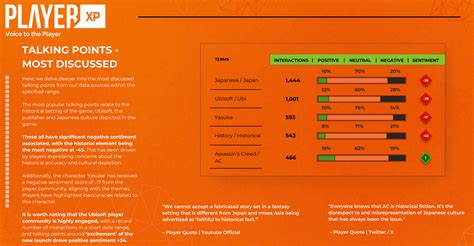
Beyond professional critics, player communities play a vital role in assessing post-launch changes. Reputable reviews can integrate community sentiment and long-term player experiences into their update coverage, offering a more holistic view. This doesn’t mean deferring to public opinion, but rather using it as a valuable data point when evaluating how updates impact player satisfaction and engagement.
5. Dynamic Scoring and Categorization
While controversial, some platforms experiment with dynamic scoring systems where a game’s aggregate score can evolve over time based on updated reviews or community feedback. Others might categorize reviews more clearly, distinguishing between “launch reviews” and “current state reviews” to manage expectations.
Conclusion: Adapting to the New Reality
The challenge of maintaining review relevance in an age of constant updates is a testament to the dynamic nature of the gaming industry. As games continue to evolve long after their initial release, so too must the methodologies of game journalism. By adopting strategies like living reviews, dedicated update coverage, and a focus on enduring game elements, reviewers can continue to provide essential guidance, ensuring that their assessments remain valuable resources for players navigating an ever-changing digital landscape.




