Best training routines to climb competitive FPS ranks?

Competitive First-Person Shooters demand more than just raw talent; they require dedication, strategic practice, and a structured approach to improvement. For aspiring professional players and those looking to climb the ranked ladder, a well-designed training routine is the cornerstone of success. This article will break down the essential components of an effective FPS training regimen to help you sharpen your skills and dominate the battlefield.
Understanding the Pillars of FPS Skill
Before diving into specific drills, it’s crucial to identify the core areas that contribute to high-level FPS play. Mastering these pillars concurrently will accelerate your progress.
- Aim & Mechanics: This is your ability to hit targets. It encompasses flick shots, tracking, crosshair placement, and recoil control.
- Game Sense & Awareness: Understanding maps, anticipating enemy movements, timing pushes, and making intelligent rotations.
- Utility Usage & Teamplay: Effectively deploying grenades, smokes, abilities, and coordinating with teammates for tactical advantages.
- Mental Fortitude: Maintaining composure under pressure, learning from mistakes, and preventing tilt.
- Physical Well-being: Ergonomics, eye care, hydration, and short breaks are vital for sustained performance.
The Optimal Daily Training Routine Structure
A balanced routine combines focused practice with actual in-game experience. Here’s a template you can adapt:
1. Warm-up (15-30 minutes)
Start every session by getting your fingers and mind ready. This isn’t just about aim; it’s about getting into the right mindset.
- Aim Trainer (e.g., Aim Lab, Kovaak’s): Focus on fundamental drills – flicking, tracking, speed, and precision.
- Deathmatch/Free For All: Jump into a fast-paced environment to get used to shooting players and reacting quickly without high stakes.
2. Dedicated Aim Practice (30-60 minutes)
This is where you specifically target weaknesses in your mechanical skill. Use aim trainers or custom game modes.
- Targeted Drills: If your flicking is weak, do flick-heavy scenarios. If tracking is an issue, practice tracking.
- Crosshair Placement: Spend time in custom games walking through maps, ensuring your crosshair is always at head height where an enemy might appear.
- Recoil Control: Practice spray patterns on walls or bots until muscle memory takes over.
3. In-Game Practice & Scrims (2-4 hours)
Apply what you’ve practiced in a live environment. This is where game sense, utility, and teamplay come into full effect.
- Ranked Matches: Play to win, but also focus on a specific aspect of your game (e.g., “today I’ll focus on my rotations” or “I will ensure proper utility usage”).
- Scrims (Team Practice): If you’re on a team, scrims are invaluable for developing synergy, executing strategies, and practicing against organized opponents.
- Analyze Gameplay Live: Ask yourself “why” after every death or crucial play. Could I have done something differently?
4. VOD Review & Analysis (30-60 minutes)
One of the most overlooked yet impactful parts of training. Reviewing your own gameplay (or professional matches) is crucial for identifying mistakes and learning.
- Self-Review: Watch your deaths. Pause before you die and identify better positioning or decision-making. Look for missed utility opportunities or poor comms.
- Team Review: If on a team, review scrims or ranked matches together to discuss macro-level strategies and individual roles.
- Pro Player Analysis: Watch VODs of top-tier players to understand their decision-making, movement, and utility usage.
5. Cool-down & Breaks
Avoid burnout. Take short breaks during longer sessions, and end your training with a cool-down period.
- Relaxation: Step away from the screen. Hydrate, stretch, or do something non-gaming related.
- Reflection: Briefly think about what you learned or improved on during the session.
Consistency, Adaptation, and Mindset
A routine is only as good as your commitment to it. Consistency is key to building muscle memory and improving game sense. Don’t be afraid to adapt your routine as you identify new weaknesses or strengths.
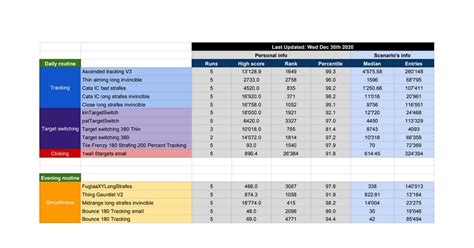
- Track Progress: Use performance metrics from aim trainers or in-game statistics to see tangible improvement.
- Stay Positive: Competitive gaming can be frustrating. Focus on improvement, not just wins. Learn from losses and celebrate small victories.
- Listen to Your Body: If you’re feeling fatigued or burnt out, take a day off. Overtraining can be counterproductive.
Conclusion
Climbing competitive FPS ranks is a marathon, not a sprint. By adopting a structured training routine that meticulously addresses aim, game sense, utility, and mental strength, you’re not just playing more; you’re playing smarter. Commit to the process, stay consistent, and watch your skills — and your rank — ascend.