



How can I filter gaming news for specific game updates and new guides efficiently?

Navigating the Deluge: Finding Your Specific Gaming News
The gaming world is a rapidly evolving landscape, constantly churning out news, announcements, and updates. For players focused on particular titles or seeking new guides, sifting through the sheer volume of general gaming news can feel like an impossible quest. The good news is that with the right tools and strategies, you can efficiently filter the noise and pinpoint the information most relevant to your interests.
Leverage RSS Feeds and News Aggregators
RSS (Really Simple Syndication) feeds remain one of the most powerful tools for targeted information gathering. Many game-specific websites, developer blogs, and even sections of larger gaming news outlets offer RSS feeds. By subscribing to these feeds with a dedicated reader like Feedly, Inoreader, or even some email clients, you can create a custom news dashboard that pulls content directly from your chosen sources.
- Identify Key Sources: For a specific game, look for its official website, developer blog, prominent fan wikis, and dedicated community sites.
- Use Aggregators Wisely: Tools like Google News or Flipboard allow you to set up custom topics or follow specific keywords. You can often create alerts for ‘[Game Name] Update’ or ‘[Game Name] Guide’ to catch relevant articles.

Dive into Dedicated Platforms and Communities
Beyond traditional news sites, modern gaming thrives on community platforms that are often the first place for updates and guide releases.
- Discord Servers: Many games have official Discord servers where developers share patch notes, upcoming features, and engage with the community. Fan-run servers often host dedicated channels for guides, tips, and datamining.
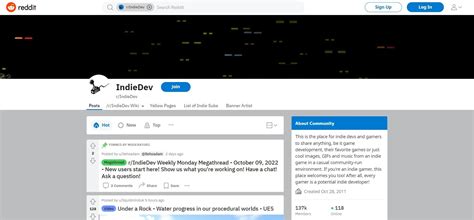
- Subreddits and Forums: Game-specific subreddits (e.g., r/TheWitcher3) and official game forums are excellent places to find player-generated guides, discussions on recent updates, and direct links to official announcements.
- YouTube and Twitch Channels: Follow content creators who specialize in your game. They often break down patch notes, create in-depth guides, or react to major news as it happens.
Harness Social Media and Official Channels
While social media can be a firehose of information, it’s invaluable for timely updates if managed correctly.
- Follow Developers and Publishers: On platforms like Twitter, X, or Facebook, follow the official accounts of the game’s developer and publisher. They are often the first to announce major updates, events, or guide contests.
- Use Lists and Notifications: Create custom lists on Twitter to group all your essential game-related accounts. Enable notifications for critical accounts so you don’t miss breaking news.
- Monitor Specific Hashtags: While less precise, following hashtags like #GameNameUpdate or #GameNamePatch can sometimes yield relevant results from the broader community.
Utilize Browser Extensions and Custom Search Alerts
For a more passive filtering approach, consider browser extensions and customized search tools.
- Web Monitors: Extensions like ‘Distill Web Monitor’ or ‘Page Monitor’ can track specific sections of a webpage for changes. If a game’s official patch notes page is updated, you’ll receive an alert.
- Google Alerts: Set up Google Alerts for specific keywords related to your game and the type of content you’re looking for (e.g., “[Game Name] patch notes,” “[Game Name] build guide”). These alerts will deliver relevant new search results directly to your inbox.

The Power of Personalization and Automation
The most efficient filtering strategy often involves combining several of these methods and personalizing them to your needs. Create a workflow:
- Identify your core games and the specific types of information you need (e.g., competitive meta updates, lore guides, patch notes).
- Select 2-3 primary methods for each game (e.g., official Discord, RSS from a fan site, Google Alert).
- Regularly review and refine your sources. Unsubscribe from feeds that aren’t useful and add new ones as your interests evolve.
By investing a little time upfront to set up your information channels, you can dramatically reduce the time spent searching and ensure you’re always up-to-date on the game-specific content that truly matters to you.