How can indie games leverage an Indie Spotlight for sustained visibility beyond launch week?

For many independent game developers, the launch of their passion project is a moment of immense excitement, often followed by a harsh reality: the fleeting nature of visibility. The initial buzz, fueled by launch week promotions and perhaps a coveted “Indie Spotlight” feature, can quickly dissipate. The challenge isn’t just to get noticed, but to remain relevant and visible in an oversaturated market long after the spotlight moves on. This article delves into how indie games can strategically leverage an Indie Spotlight to build sustained visibility, foster community, and drive long-term success.
The Launch Week Challenge for Indie Games
The digital storefronts are teeming with new releases daily, making it incredibly difficult for indie titles to stand out. Algorithms favor established titles and games with high initial sales velocity, often relegating promising indies to the digital back alleys once the initial hype cycle concludes. A dedicated feature, whether from a platform holder, a prominent media outlet, or a popular streamer, offers a critical, albeit often brief, surge in attention. Without a clear strategy, this visibility spike can be a missed opportunity, failing to convert temporary interest into lasting engagement.
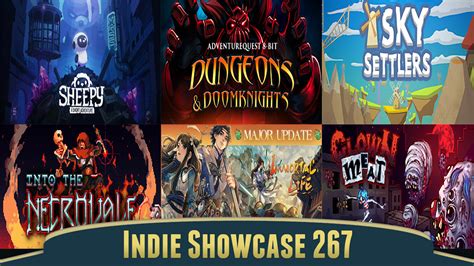
Understanding the Power of an Indie Spotlight
An Indie Spotlight is more than just a fleeting mention; it’s a powerful validation and a direct conduit to a new, potentially massive, audience. It can lead to a significant increase in store page views, wishlists, purchases, and social media engagement. However, its primary impact is often concentrated within a short window. The key lies in treating this spotlight not as the destination, but as a launchpad for a much broader, ongoing marketing and community-building effort.
Strategies to Maximize Spotlight Longevity
Pre-Spotlight Optimization: Laying the Groundwork
Before any major spotlight hits, ensure your game’s foundation is solid. Your store page (Steam, Switch eShop, Xbox, PlayStation Store) must be meticulously optimized with compelling screenshots, an engaging trailer, clear descriptions, and relevant keywords. Your social media channels should be active, and a community hub (like Discord) should be ready to welcome newcomers. Have a clear Call to Action (CTA) for visitors, whether it’s wishlisting, joining your Discord, or following your social accounts. Prepare a kit of high-quality marketing assets that can be easily shared by anyone covering your game.

During the Spotlight: Seize the Moment
When the spotlight is on, be present and proactive. Engage with new players and followers across all platforms. Respond to comments, answer questions, and acknowledge the attention. This is an excellent time to run a small discount if applicable, encouraging immediate purchases from interested prospects. Actively share the spotlight feature on your own channels, thanking the platform or media for the recognition. This amplifies the message and shows gratitude, potentially fostering future opportunities.
Post-Spotlight Activation: Sustained Engagement
Content Updates & Roadmaps
Nothing keeps players engaged like fresh content. Outline a clear post-launch roadmap, teasing future updates, patches, and expansions. Regularly communicate your progress through developer logs, blog posts, and social media updates. Demonstrating a commitment to improving and expanding your game signals to players that their investment is valued and that there’s more to look forward to.
Community Management
The players you gained during the spotlight are your most valuable advocates. Nurture your community by actively participating in discussions, listening to feedback, and fostering a positive environment. Organize community events, contests, or Q&A sessions. A strong, engaged community is a powerful organic marketing tool.

Leverage Press & Influencers
If the spotlight came from a major outlet or influencer, don’t let that be a one-off. Follow up with them when you release significant updates, new content, or reach important milestones. Maintain a professional relationship; they might be interested in covering your game again, especially if they see continued development and community growth.
Cross-Promotion & Collaboration
Reach out to other indie developers whose games might appeal to your audience. Cross-promote each other’s titles through social media shout-outs, bundled sales, or even in-game Easter eggs. This expands your reach to new, relevant audiences at minimal cost.

Email Marketing
For visitors who didn’t convert immediately, offering an email newsletter signup is crucial. This allows you to directly communicate updates, sales, and news without relying on algorithms. A well-maintained email list is an invaluable asset for long-term visibility.
Measuring Success and Iterating
Continuously monitor your analytics. Track sales data, player counts, wishlist additions, social media engagement, and community growth. Understand what strategies are working and what aren’t. Gather player feedback and implement changes where appropriate. The indie game market is dynamic, so your marketing approach should be too. Be prepared to adapt and iterate based on data and player sentiment.
Conclusion
An Indie Spotlight is a fantastic opportunity, a powerful burst of attention that can significantly boost an indie game’s profile. However, its true value isn’t in the initial surge, but in how skillfully developers leverage it to build a lasting presence. By preparing diligently, engaging actively, and committing to sustained post-spotlight strategies – from content updates and robust community management to smart collaborations and data-driven iteration – indie games can transform a temporary highlight into enduring visibility and a thriving player base.