How to balance detail and speed for day-one game guides?

The Day-One Dilemma: Speed vs. Substance
Launching a game guide on day one presents a unique challenge: the need for speed to be relevant, coupled with the player’s craving for comprehensive, accurate information. A guide that’s too slow misses the initial surge of player engagement, while one that’s rushed and lacking in detail can frustrate users and damage credibility. Finding the sweet spot requires a strategic approach that prioritizes critical information while establishing a framework for future expansion.

Prioritizing for Immediate Impact
When the clock is ticking, focus your initial efforts on the most crucial aspects that players will encounter first. This often means providing guides for the critical path of the main story, essential early-game mechanics, and solutions to common pain points. Think about:
- Main Quest Walkthrough: A step-by-step guide for completing the primary narrative, focusing on objectives and key encounters.
- Boss Strategies: For early-game bosses or particularly challenging encounters that might halt player progress.
- Key Mechanics Explained: Brief, clear explanations of core gameplay systems (e.g., crafting, combat basics, skill trees) that are essential for new players.
- Common Problems/FAQs: Addressing known bugs, confusing quests, or frequently asked questions that emerge within the first few hours.
The goal here isn’t exhaustive coverage, but rather to get players past immediate roadblocks and help them understand the game’s fundamentals quickly.
Strategic Detail: Where to Go Deeper
While speed is paramount for the initial launch, certain areas benefit from more immediate detail. These are typically elements that significantly enhance the player experience or prevent major frustration. Consider adding depth to:
- Optimal Early Builds: Quick recommendations for character builds or equipment loadouts that provide a strong start.
- Key Collectibles/Locations: Highlighting easily missed, impactful items or secret areas that offer significant early advantages. This doesn’t mean every single collectible, but those that truly matter.
- Beginner Tips & Tricks: Practical advice that seasoned players might take for granted but new players will find invaluable.
The key is to select specific areas where a bit more detail provides disproportionately high value, rather than attempting to document every single nuance from the outset.
Tools and Techniques for Rapid Guide Creation
Efficiency is vital. Employing the right tools and strategies can significantly cut down production time:
Utilize Templates
Standardized templates for quest walkthroughs, boss guides, or item descriptions ensure consistency and speed up content creation. Pre-formatted sections mean writers can jump straight into filling information rather than structuring each piece from scratch.
Leverage Teamwork
Divide and conquer. Assign different team members to specific game sections or guide types. One person might focus on the main quest, another on side activities, and another on system explanations. Regular communication is essential to avoid overlaps and ensure a unified voice.
Live-Updating Framework
Build your guide platform with the expectation of constant updates. A system that allows for rapid additions, edits, and hotfixes is crucial. This might involve using a CMS designed for dynamic content or establishing clear version control protocols.
Focus on Screenshots and Visuals
Often, a well-placed screenshot or a short video clip can convey information more quickly and effectively than several paragraphs of text. Prioritize capturing key moments, map locations, or complex mechanics visually.

The Iterative Approach: Launch Fast, Refine Later
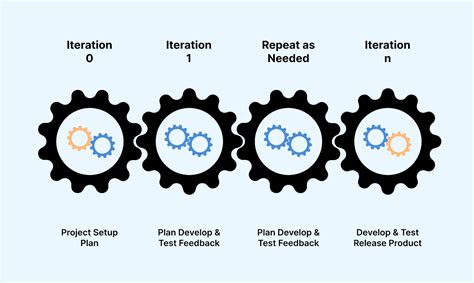
The most successful day-one guides adopt an iterative development model. Launch with essential, accurate information. Then, dedicate resources to continuously update and expand the guide based on player feedback, new discoveries, and further exploration of the game. Monitor comments, forums, and social media for common questions and areas of confusion to inform your update priorities.
Think of day-one as “version 1.0.” It should be functional and helpful, but not necessarily exhaustive. Subsequent updates (1.1, 1.2, etc.) can then layer on additional detail, refine existing information, and cover more obscure content like all collectibles, advanced strategies, or endgame content.
Conclusion: The Sweet Spot of Timeliness and Trust
Balancing detail and speed for day-one game guides is less about finding a perfect equilibrium upfront and more about strategic prioritization and an iterative mindset. Deliver core, accurate information quickly to establish relevance and trust. Then, leverage player feedback and ongoing exploration to progressively deepen the guide’s content. By focusing on immediate player needs first and building out comprehensive resources over time, you can create guides that are both timely and ultimately invaluable to the gaming community.