How to keep game reviews fresh & relevant post-launch with updates or DLC?
The Evolving Landscape of Game Releases
In today’s dynamic gaming industry, a game’s launch is often just the beginning. Developers frequently release patches, significant content updates, and expansive downloadable content (DLC) that can fundamentally alter the player experience. This continuous evolution presents a unique challenge for game reviewers: how to ensure their initial assessment remains fresh and relevant long after the review embargo lifts?
An initial review, no matter how thorough, captures a snapshot of a game at a specific moment. Bugs are fixed, features are added, balancing is tweaked, and new narratives unfold through DLC. Without a mechanism to reflect these changes, an older review can quickly become outdated, misinforming potential buyers and undermining the credibility of the review itself.

Strategies for Evergreen Reviews
To combat the expiry date on game reviews, critics and publications must adopt proactive strategies that integrate post-launch content into their review ecosystem. This involves more than just a passing mention; it requires dedicated attention to how new content impacts the core game experience.
Update Reviews and Addendums
One effective method is to publish dedicated ‘update reviews’ or addendums. These pieces don’t re-review the entire game but focus specifically on how significant patches or content drops have altered the original assessment. Key areas to cover include performance improvements, new gameplay mechanics, story expansions, and changes to online functionalities. This approach provides valuable context without forcing readers to sift through an entirely new review.
These addendums should clearly link back to the original review, making it easy for readers to trace the game’s evolution. They can be presented as short articles, new sections appended to the original review, or even video updates, offering a multi-faceted approach to relevance.
Dedicated DLC Reviews
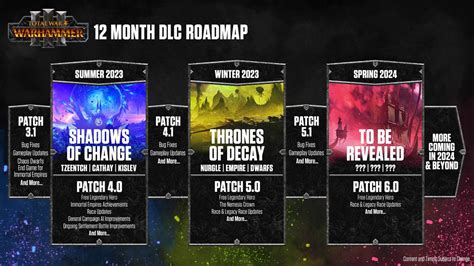
For more substantial content releases, particularly story-driven expansions or those introducing major new systems, a full, dedicated DLC review is often warranted. Treating DLC as a product in its own right allows for a deep dive into its unique merits and shortcomings, while still acknowledging its relationship to the base game.
When reviewing DLC, it’s crucial to evaluate its value proposition, its integration with the main game, and whether it justifies its price point. Does it enhance the original experience, or does it feel tacked on? Does it offer enough new content to captivate players who have already sunk dozens, if not hundreds, of hours into the base game?
Maintaining Transparency and Accessibility
Beyond the content itself, the presentation and accessibility of updated review information are paramount. Readers should be able to quickly discern the current state of a game review.
Version Control and Clear Labeling
Implementing a clear version control system is essential. This could involve prominently displaying the ‘reviewed version’ of the game, with subsequent updates noting when the review was last amended or if a separate update review has been published. Clear labels like ‘Original Review (Version 1.0)’ and ‘Update: Patch 2.0 Impressions’ help readers navigate the evolving narrative.
Some publications might even opt for a ‘living review’ model, where the original review score and text are dynamically updated, with all changes meticulously logged for transparency. While resource-intensive, this offers the most up-to-date perspective.

The Future of Dynamic Reviews
As games continue to be service-based and ever-changing, the role of the traditional, static review is diminishing. The future likely holds more dynamic, iterative review processes that mirror the development cycle of the games themselves. This could involve continuous assessment, community-driven insights, and more fluid scoring systems that adapt to a game’s growth.
Ultimately, keeping game reviews fresh and relevant post-launch with updates or DLC is not just about correcting initial impressions; it’s about providing a comprehensive, ongoing service to the gaming community. It demands adaptability, diligence, and a commitment to accurately reflecting the full lifespan of a game, ensuring that reviews remain a valuable resource for players at every stage of their gaming journey.