How to keep gaming reviews relevant after major game updates/DLC?
The Evolving Landscape of Game Reviews
The gaming industry has shifted dramatically from a ‘release and done’ model to one where games often evolve significantly post-launch through patches, major updates, and downloadable content (DLC). This ‘live service’ or simply ‘living game’ approach poses a unique challenge for game reviewers: how does an initial review, published at launch, remain relevant months or even years later when the game has transformed?
Traditional reviews capture a snapshot in time, reflecting the game’s state and quality upon release. However, this snapshot quickly becomes outdated when developers introduce new mechanics, balance changes, bug fixes, or entirely new content through DLC that can fundamentally alter the player experience. Ensuring reviews provide lasting value requires a strategic and adaptable approach from critics.
![Game Reviewer Job Description [Updated for 2025]](/images/aHR0cHM6Ly90czQubW0uYmluZy5uZXQvdGg/aWQ9T0lQLkFQc3hYTTVvTDhxc0xsUTJRak9BbVFIYUU4JnBpZD0xNS4x.webp)
Strategies for Maintaining Review Relevance
1. The Initial Review as a Baseline
The launch review should explicitly state that it reflects the game’s initial state. Reviewers can include a disclaimer that the game is subject to change and that future updates or DLC may alter the score or experience. This manages reader expectations and sets the stage for future updates to the review.
2. Addendums and Update Logs
One of the most common and effective methods is to add addendums or ‘update logs’ to the original review. These sections, clearly separated from the initial critique, detail significant changes brought by major patches or DLC, discussing their impact on gameplay, story, or performance. This keeps the original review intact while providing an ongoing narrative of the game’s evolution.
3. Re-Reviews or Follow-Up Pieces
For games that undergo massive overhauls – think titles like No Man’s Sky, Cyberpunk 2077, or Final Fantasy XIV – a full re-review might be necessary. This isn’t just an update; it’s a fresh perspective on a game that has fundamentally changed. Alternatively, dedicated follow-up articles can assess the game’s current state without altering the original review’s historical context.

4. Dedicated DLC Reviews
Major DLC or expansions often warrant their own standalone reviews. These pieces can be linked back to the original game’s review, providing context while evaluating the new content on its own merits. This approach acknowledges that DLC can significantly expand or even shift the core experience without diluting the initial review’s assessment of the base game.
5. The ‘Living Review’ Model
Some platforms and reviewers have experimented with a ‘living review’ model, where the review score and content are periodically updated to reflect the game’s current state. While this offers the most up-to-date assessment, it can erase the historical context of the game’s launch, making it difficult for readers to understand its journey. Transparency through clear versioning and timestamped updates is crucial for this model to work effectively.
6. Community Feedback Integration
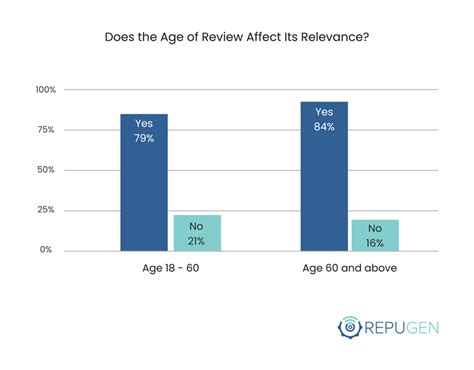
Acknowledging and integrating community sentiment regarding updates can also enhance review relevance. While a professional review stands on its own, mentioning widespread player reactions to new content or balance changes provides a fuller picture of the game’s reception and current standing in the broader gaming ecosystem.

The Importance for Consumers
For consumers, relevant reviews are invaluable. They guide purchasing decisions, help players decide whether to revisit an older title, or inform them about the quality of new content. Reviewers who adapt their approach to the evolving nature of games provide a critical service, helping gamers navigate a landscape where a game’s true value often isn’t fully realized until well after its initial release.

Conclusion
Keeping gaming reviews relevant in an age of continuous updates and DLC is a dynamic challenge requiring thoughtful strategies. Whether through addendums, re-reviews, dedicated DLC analyses, or transparent ‘living reviews’, the goal remains the same: to provide accurate, up-to-date, and valuable insights into games that are constantly growing and changing. This adaptability ensures that game criticism continues to serve both the industry and its passionate audience effectively.