How to structure lengthy gaming walkthroughs for optimal user engagement?
The Blueprint for Engagement: Why Structure Matters
Creating a comprehensive gaming walkthrough is often a labor of love, but its length can become a barrier to user engagement if not structured properly. A well-organized guide isn’t just about conveying information; it’s about optimizing the user experience, allowing players to quickly find solutions, understand complex mechanics, and enjoy their journey without getting lost in a sea of text. For optimal engagement, your walkthrough needs to be a clear, navigable roadmap, not a bewildering maze.
I. Strategic Planning: Laying the Foundation
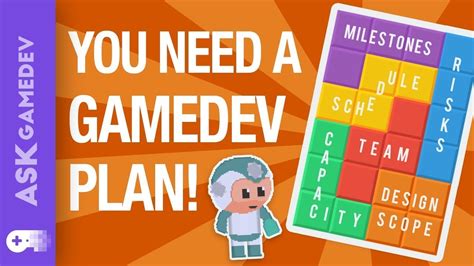
Before typing a single word, strategic planning is paramount. Understand the game’s scope, its narrative progression, and the types of challenges players will face. Outline the entire game from start to finish, breaking it down into major acts, chapters, quests, or critical path segments. Consider side quests, collectibles, and optional content as separate, but linked, sections.
- Audience Analysis: Are you writing for completionists, speedrunners, or casual players needing a quick hint? Tailor your detail level accordingly.
- Game Segmentation: Divide the game logically. This could be by in-game location, story chapter, or specific mission objectives.
II. Core Structural Elements for Clarity
A. Implement a Robust Table of Contents (TOC)
For any lengthy walkthrough, an interactive Table of Contents at the top is non-negotiable. This allows users to jump directly to the relevant section without endless scrolling. Use anchor links within your HTML to connect TOC entries to their respective headings (e.g., <a href="#chapter1">Chapter 1</a> linking to <h2 id="chapter1">Chapter 1: The Beginning</h2>).
B. Consistent and Hierarchical Headings
Utilize HTML heading tags (<h2>, <h3>, <h4>) to establish a clear hierarchy. <h2> can denote major game acts or areas, <h3> for specific missions or puzzles within those areas, and <h4> for individual steps or critical decision points. This visual structure guides the eye and mind.
C. Actionable and Descriptive Headings
Avoid vague headings. Instead of “Part 1,” use “Chapter 1: The Whispering Woods – Finding the Elixir.” For subsections, “Defeating the Forest Guardian” is far more helpful than “Boss Fight.”
III. Enhancing Readability and Usability
A. Formatting for Scannability
Gamers often scan for solutions. Employ formatting techniques to make key information pop:
- Bold Text: Highlight important items, enemy names, critical decisions, or quest objectives.
- Bullet Points/Numbered Lists: Use these for steps, item lists, or summaries of choices.
- Blockquotes: Set aside tips, warnings, or lore excerpts.
- Paragraph Length: Keep paragraphs relatively short. Break up dense text into digestible chunks.
B. Strategic Use of Visual Aids (Placeholder for actual images)
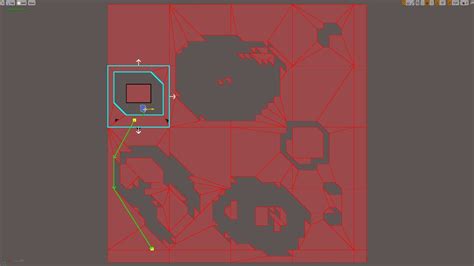
While the actual images are placeholders here, remember that in a live walkthrough, well-placed screenshots, maps, or diagrams are invaluable. They can illustrate puzzle solutions, enemy locations, or collectible spawns far more effectively than text alone.
IV. Driving Engagement and Interactivity
A. Integrate Multimedia (Conceptually)
For particularly complex puzzles or boss strategies, consider brief video embeds (conceptually, as we can’t add actual videos here). A short clip demonstrating a tricky jump or a boss’s attack pattern can be more effective than a lengthy text description.
B. Encourage Community Contribution
Allow for comments or a dedicated section where users can share their own tips, alternative strategies, or point out missed details. This fosters a sense of community and keeps the content fresh and comprehensive.
C. Implement Search Functionality
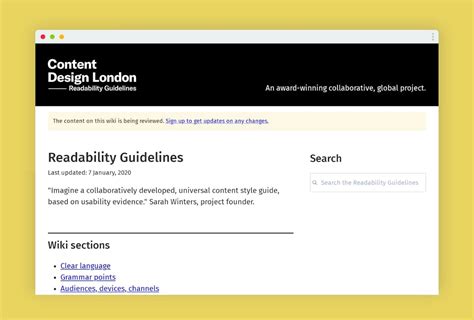
For extremely long walkthroughs, a search bar specifically for the guide content can be a lifesaver, allowing users to instantly find references to specific items, enemies, or locations.
V. Maintenance and Evolution
A great walkthrough isn’t a static document. Games receive patches, DLCs, and balance changes that can render parts of a guide obsolete. Regularly review and update your content to ensure accuracy. Respond to user feedback and integrate corrections or alternative strategies to keep your walkthrough relevant and reliable.
By investing time in structuring your lengthy gaming walkthroughs, you transform a potentially overwhelming resource into an engaging, user-friendly tool that enhances the gaming experience for countless players.