What key info must indie devs provide to maximize their Indie Spotlight impact?

Securing an Indie Spotlight is a golden opportunity for visibility in a crowded market. Whether it’s on a major platform storefront, a popular gaming blog, or a community-driven initiative, these spotlights can significantly boost your game’s exposure, wishlists, and even sales. However, merely being featured isn’t enough; the true impact comes from how well you present your game. Providing the right information, presented compellingly, is crucial to converting fleeting attention into lasting engagement and support.
Crafting Your Narrative – The Game’s Hook
At the core of every successful Indie Spotlight is a captivating story. Your game isn’t just a collection of mechanics; it’s an experience waiting to be discovered. Start with a concise, compelling elevator pitch that immediately communicates what makes your game unique. What genre does it belong to, and how does it innovate within or beyond that genre? Highlight your unique selling propositions (USPs) – perhaps it’s a never-before-seen mechanic, a deeply emotional storyline, or a distinctive art style. Clearly define your target audience and explain why your game will resonate with them. This foundational narrative sets the stage for everything else.

Visual Feast – High-Quality Assets Are King
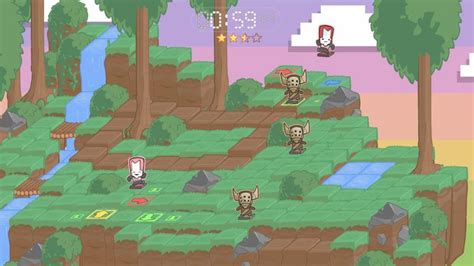
In the visually driven world of gaming, assets speak louder than words. High-quality screenshots are non-negotiable. Aim for a diverse set that showcases gameplay, key environments, character designs, and UI. Avoid cluttered images; clarity and impact are key. A compelling trailer is perhaps the most critical asset. It should be short, punchy, and encapsulate the essence of your game, featuring your best gameplay moments, cinematic sequences, and a snippet of the game’s sound design. Beyond trailers, consider providing GIFs of unique mechanics or particularly engaging moments, and ensure you have high-resolution key art and logo files that can be used across various platforms.
![[Top 15] Games With Beautiful Visuals | Gamers Decide](/images/aHR0cHM6Ly90czMubW0uYmluZy5uZXQvdGg/aWQ9T0lQLjVDZFRyNFJBQUIxZVlUbXZiMDVEcndIYUVfJnBpZD0xNS4x.webp)
The Human Element – Your Story Matters
People connect with people. Sharing the story behind your game and your development journey adds a layer of authenticity and appeal. Who is your team? What inspired you to create this specific game? What challenges did you overcome during development, and what lessons did you learn? Highlighting your passion, dedication, and the unique perspective you bring as indie developers can forge a deeper connection with players and media alike. A brief developer bio or a team photo can humanize your project and make it more memorable.
Essential Logistics – Facts and Figures
While storytelling and visuals grab attention, practical information seals the deal. Clearly state the game’s title, developer/publisher, release date (or target window), platforms it will be available on, and the expected price point. Provide links to your game’s store pages (Steam, Epic, console stores, etc.) and a direct link to your official press kit. Your press kit should be easily accessible, well-organized, and contain all the information and assets mentioned above, saving journalists and content creators valuable time.

Driving Engagement – Calls to Action and Community
Finally, guide interested parties on what to do next. Include clear calls to action: “Add to your wishlist now!” or “Follow us on social media!” Provide direct links to your primary social media channels (Twitter, Discord, YouTube, etc.) where players can connect with your community and stay updated. Encourage wishlists aggressively, as this is a tangible metric that signals player interest and can influence platform algorithms. An active community and clear avenues for engagement turn spotlight viewers into dedicated fans.

Maximizing your Indie Spotlight impact isn’t about throwing everything at the wall; it’s about strategic, thoughtful presentation. By providing a compelling narrative, top-tier visual assets, a relatable human story, essential logistical details, and clear calls to action, indie developers can transform a brief moment in the spotlight into a powerful catalyst for their game’s success. Preparation is key – ensure your materials are polished, comprehensive, and ready to make an unforgettable impression.